Bridging the Gap Between Climate Vision and Market Viability
" A Plataforma Media feature titled "From climate to business" sits this week alongside Business Recorder's look at Punjab's climate implementation gap and an EDII-hosted CSR roundtable in New Delhi…
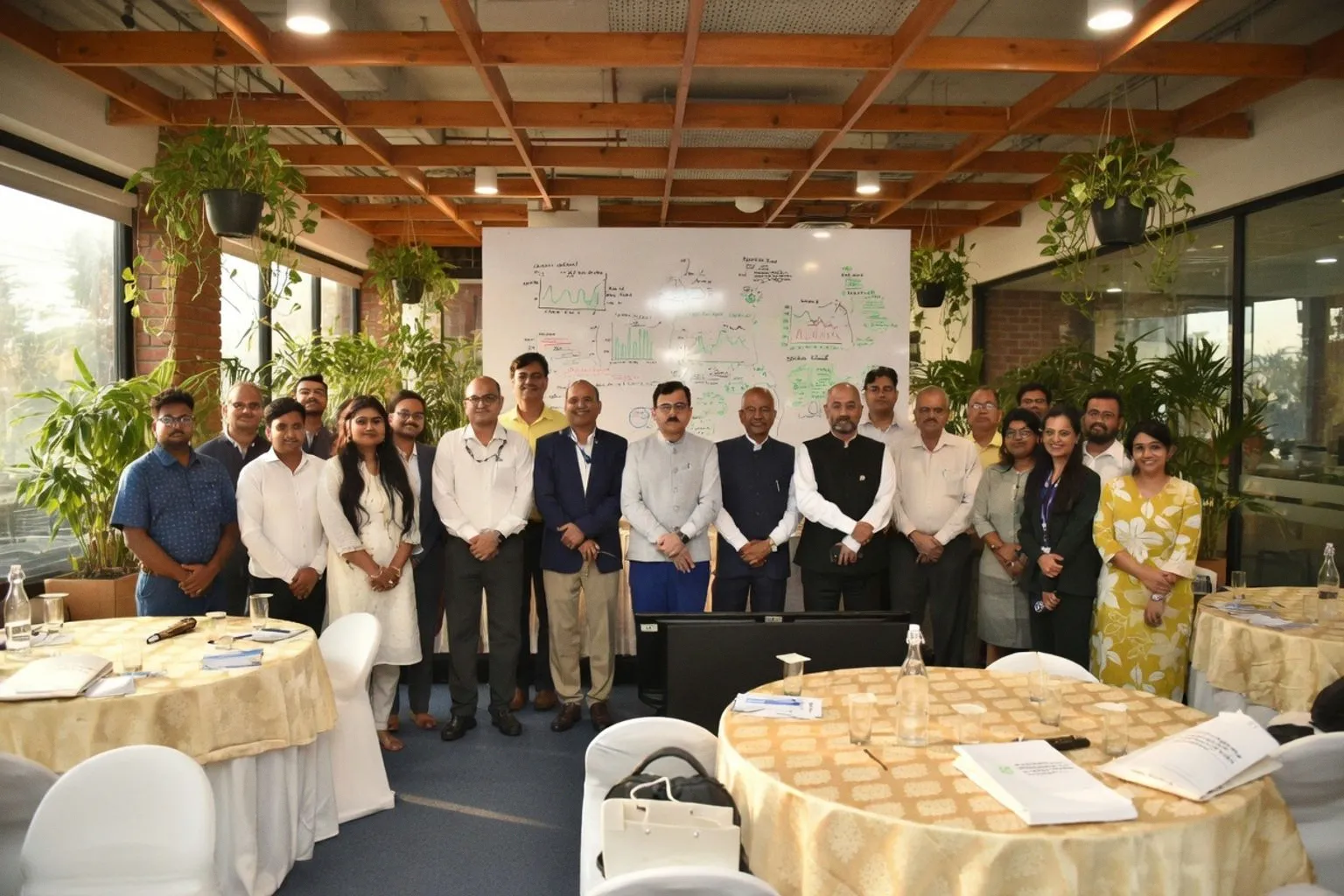
The most persistent question sitting in our coaching sessions isn't "should I build a ClimateTech venture?"—it's "how do I actually begin without drowning in complexity?" A Plataforma Media feature titled "From climate to business" sits this week alongside Business Recorder's look at Punjab's climate implementation gap and an EDII-hosted CSR roundtable in New Delhi on climate-resilient enterprises—and all three are quietly circling the same translation problem we keep meeting in every founder cohort.
Why the gap between vision and venture keeps tripping people up
The pattern is familiar to anyone who has watched a strong idea stall somewhere around month eighteen. Business Recorder's framing of Punjab's "climate test," as the headline puts it, points at the space between climate vision and what it actually takes to implement on the ground. For a first-time founder reading from outside South Asia, the lesson here isn't really regional—it's structural. The distance between a climate solution and a paying customer almost always runs through someone else's readiness to buy, certify, finance, or distribute your work. Founders who treat that readiness as an external variable tend to spend their runway explaining it. Founders who treat it as a co-design partner tend to keep theirs, and they tend to build companies that survive the first serious weather event their users face.
What "climate-resilient" actually asks of an early-stage team
The New Delhi roundtable convened by EDII, reported as focused on CSR mechanisms for climate-resilient enterprises and sustainable livelihoods, is a useful signal of where institutional money is starting to lean. Resilience in that framing isn't only "withstands a shock." It's designed from the first wireframe around the people whose daily life depends on your product behaving well when the grid is down or the season has shifted. If your current roadmap doesn't yet have a clear line for who carries the risk on the user side—and how you'll share that risk in your pricing, your onboarding, and your support model—that's the line to draft before your next investor conversation, not after. It also tends to be the line grant funders and CSR partners are quietly looking for.
Where to put your attention this week
Before you add another feature, run a thirty-minute sanity check on three things: your buyer's actual budget cycle (not the one in your slide), the regulatory exposure they'll inherit by adopting you, and the one partnership that would compress your distribution timeline by half. You don't need answers yet—you need names, dates, and a few honest "I don't know yet" entries. That's where every ClimateTech venture we've coached finds its first real traction: the moment the phrase "from climate to business" stops being a deck title and becomes a short list of humans you can call before the week is out.