Building the Future: How Agroforestry Drives Green Jobs and Climate Resilience
You're mapping out the next climate venture, and a stubborn question keeps surfacing: where will the next wave of green jobs actually land?
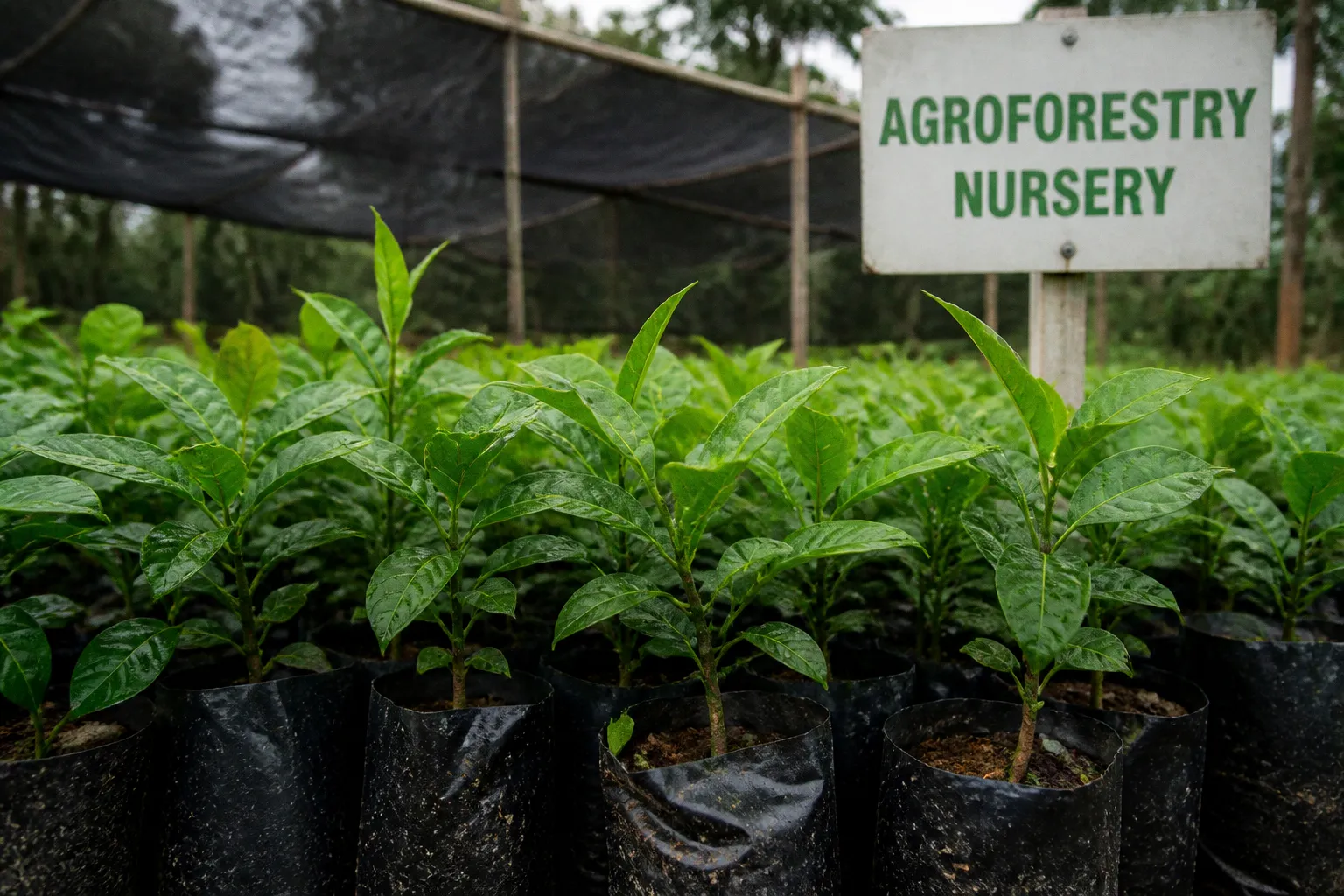
A recent feature from The Citizen points us toward agroforestry as one of the most quietly powerful answers to that question — and it deserves a closer look from anyone building in the climate-tech space.
The signal underneath the headline
The Citizen's piece frames agroforestry as a dual engine: an employment pathway for young people and a working tool against climate change. That framing matters because it reframes "climate work" away from charity and toward livelihood. We're talking about a model that puts trees back into working farmland, which means farmers get a new revenue stream, soil gets restored, and carbon gets sequestered — all at once.
The story sits inside a louder cluster of climate-business coverage this month. Leadership Newspapers reports that Nigeria's federal government is actively courting private capital to close what it calls an adaptation gap. In parallel, Business News Nigeria and the Independent Newspaper Nigeria are covering Anambra State's push toward a green economy, driven by fresh urgency around erosion and waste. The chorus is hard to miss: public policy, private capital, and frontline states are converging on the same problem from different angles.
What this means for your roadmap
So what do we take from this as founders? A few practical shifts worth considering:
- Agroforestry is a hiring narrative, not just a sustainability one. If you're pitching investors, the job-creation angle — especially for young, rural workforces — is often the line that opens doors. The Citizen's framing shows how that story travels.
- The adaptation gap is the real market. Nigeria's federal warning is signaling that adaptation is underfunded relative to mitigation. That's where ClimateTech founders have the most leverage right now.
- Policy plus private capital is the new onboarding track. When a state like Anambra is convening roundtables on policy and corporate alignment, founders nearby should be at those tables. Those rooms shape pipeline access.
Your next step
Here's what I'd suggest you do this week: pick one agroforestry-adjacent problem in your region — smallholder onboarding, carbon measurement, supply chain traceability — and map it against the public and private funding signals we've just walked through. You'll start to see where your venture fits into the bigger engine rather than competing with it. That's the alignment worth chasing right now.