Why the Century-Old Fertilizer Industry is Finally Embracing ClimateTech Startups
According to AgNavigator, the International Fertilizer Association recently created its first-ever global innovation lead role, held by Jack Keeys.
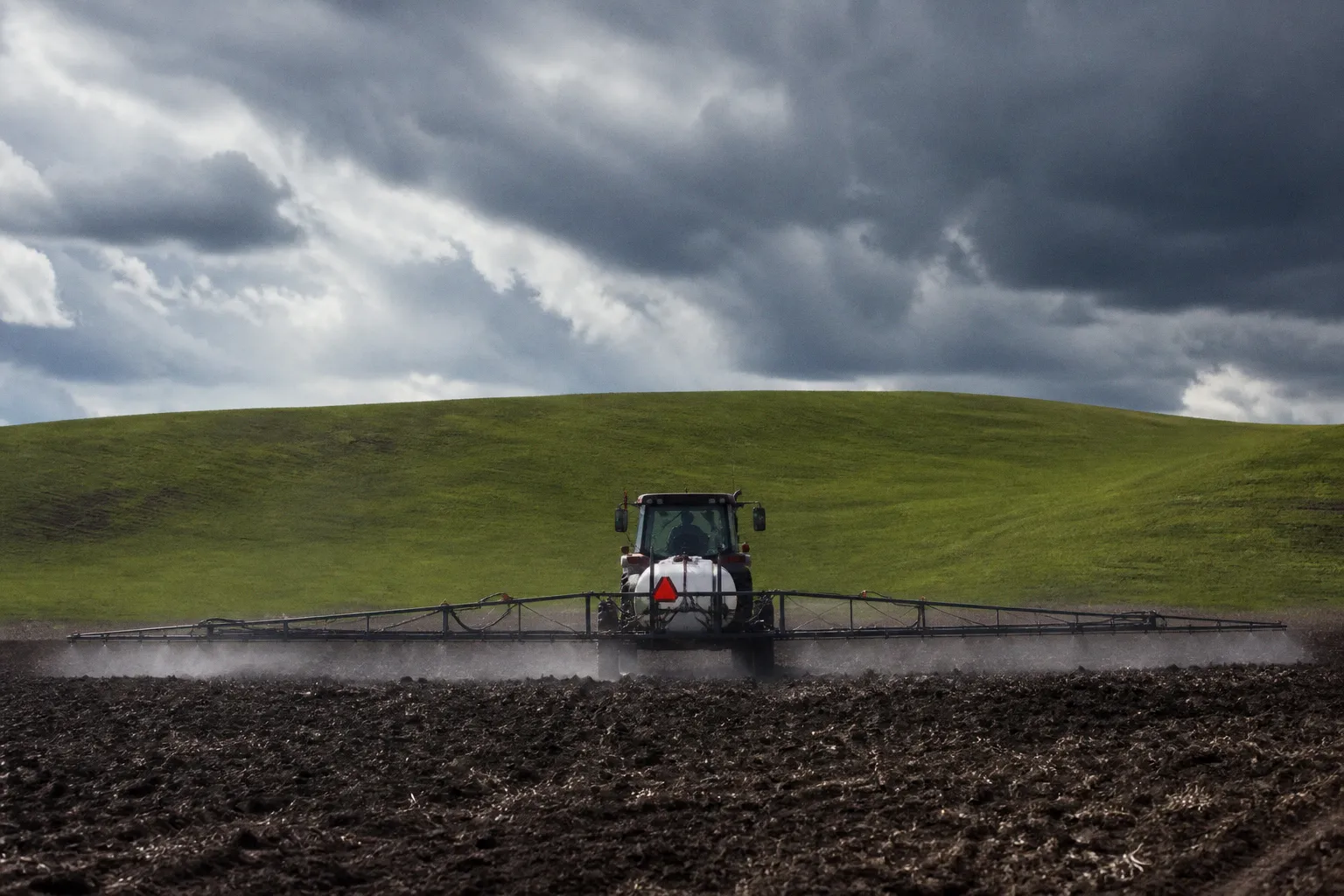
Why is a 98-year-old industry suddenly knocking on start-ups' doors? That's the question quietly reshaping fertiliser right now, and if you're building in ClimateTech, the answer matters more than you might think.
"This role didn't exist two years ago," Keeys told the outlet. "It took 98 years for the industry to create this co-ordinated global innovation programme." For a sector that has historically prioritised reliability and scale over reinvention, that's a meaningful shift, and one worth understanding if your work touches food systems, agtech or industrial decarbonisation at all.
What the IFA Innovation Hub actually does
Keeys now leads the IFA Innovation Hub, a space built to bring together fertiliser manufacturers, start-ups, researchers and technology developers around shared problems: emissions reduction, nutrient efficiency and food security. The model is intentionally pre-competitive, meaning companies are willing to collaborate on foundational challenges before market share becomes the concern. Keeys describes early signs of traction — more joint ventures, more proof-of-concepts, more investment in start-ups — though he frames it honestly as "early days."
He groups the most promising work into three buckets: nutrient production, nutrient application and nutrient release. At the production stage, he's particularly excited by low-carbon nitrogen manufacturing, including electrolysis and plasma-based nitrogen fixation. These could dramatically cut the sector's carbon footprint while opening the door to more decentralised production, which matters for resilience during geopolitical disruption. PlasmaLeap, runner-up in the latest IFA innovation competition, illustrates what's emerging in this lane.
What this signals for ClimateTech founders
For founders building in agtech, industrial decarbonisation or food systems, this is more than a procurement update. A traditionally conservative buyer is now actively seeking outside partners, proof-of-concept pathways and joint ventures. That's alignment you can navigate, not just buzz to chase.
Keeys names the tension directly: feeding the world and doing it sustainably aren't mutually exclusive, but they require careful design. If your start-up pitches into this space, the question you should be ready to answer isn't just "is it green?" — it's "does it help a farmer, a cooperative or a national programme deliver food security without introducing new risk?" Think of it as impact measured on someone else's terms, not just yours.
Your next step
Spend an hour this week mapping which of the three buckets — production, application or release — your work actually touches. Then write down the one risk your buyer cares about most, whether that's supply security, nutrient loss or emissions intensity, and lead your next investor or pilot conversation from there. The incumbents are opening the door. Bring them a problem they recognise, dressed in a solution they haven't yet built.