Evaluating Founder Support Programs: Beyond the PR Headlines
According to FinancialContent and Digital Journal, Charlie Lass is being presented in a story focused on startup success and founder well-being.
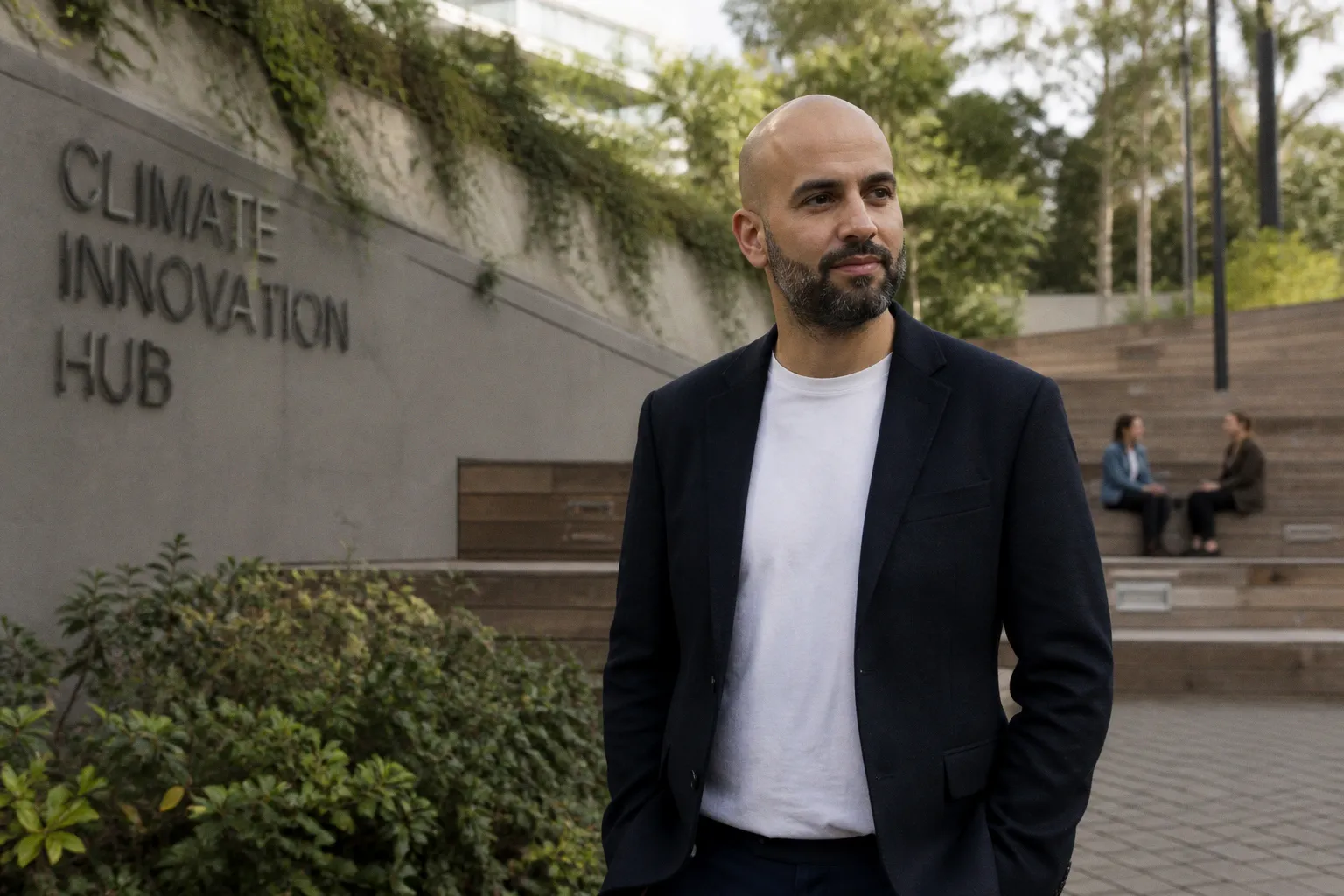
The available reporting identifies the subject and its broad theme, but does not provide enough verified detail to assess a new launch, funding event, programme, or measurable outcome. For ClimateTech founders, that limitation matters: a promising headline is not yet a decision-grade signal.
The signal is the framing, not a new milestone
The two published items carry the same title: “Charlie Lass: Championing Startup Success and Founder Well-Being.” That points to a profile or thought-leadership angle rather than a clearly documented company announcement.
There is no confirmed information in the available material about a new accelerator cohort, investment round, partnership, product release, or change in operating model. Nor is there enough detail to evaluate the scale or results of the work described by the headline.
That makes this a useful reminder for founders operating in a crowded ClimateTech support market. Claims around mentorship, founder resilience, and startup success can sound immediately relevant—especially when teams are dealing with long sales cycles, technical uncertainty, and pressure to demonstrate traction. But the trade-off is clear: broad positioning is easier to publish than evidence of outcomes.
What founders should check before acting
If a similar founder-support offer crosses your desk, start with the practical questions rather than the personal brand:
- What exactly is being offered: education, coaching, incubation, venture building, or access to capital?
- Which stage of company is the programme designed for?
- What deliverables are defined, and over what timeframe?
- How will progress be measured beyond testimonials or visibility?
- What does the founder give up in return—cash, equity, time, or strategic control?
- Is the support designed for ClimateTech’s specific constraints, or is it a general startup framework?
These questions are not a judgement on Lass or on the organisations associated with the report. They are basic diligence. In climate ventures, a generic launch framework may not account for hardware iteration, scientific validation, procurement cycles, regulatory work, or the capital intensity of deployment. A founder can lose more than money by choosing support that optimises for speed when the business actually needs evidence.
The same applies to well-being language. It is important, but it should not become another performance metric founders feel obliged to display. A credible offer should make room for difficult decisions: pausing a weak experiment, narrowing the market, changing the business model, or admitting that a timeline no longer holds.
The lesson for ClimateTech builders
At this stage, the evidence supports only a narrow conclusion: Charlie Lass is the subject of coverage framed around startup success and founder well-being. It does not support stronger claims about outcomes, reach, or impact.
That is the hard-earned lesson worth carrying into your own venture. Resilience is not the same as enduring every bad plan. Sometimes the responsible pivot is to slow down, verify the offer in front of you, and refuse to confuse an encouraging narrative with proof. For founders, that discipline is messy—but it protects the time, capital, and energy that a climate business needs to survive long enough to matter.