Andrew Jackson's Hermitage: ticket tiers and visitor flow
Trying to buy tickets for Andrew Jackson’s Hermitage can feel more complicated than it should. The estate is not a single-room museum with one doorway and one standard visit.
Andrew Jackson’s Hermitage: Ticket Tiers and Visitor Flow
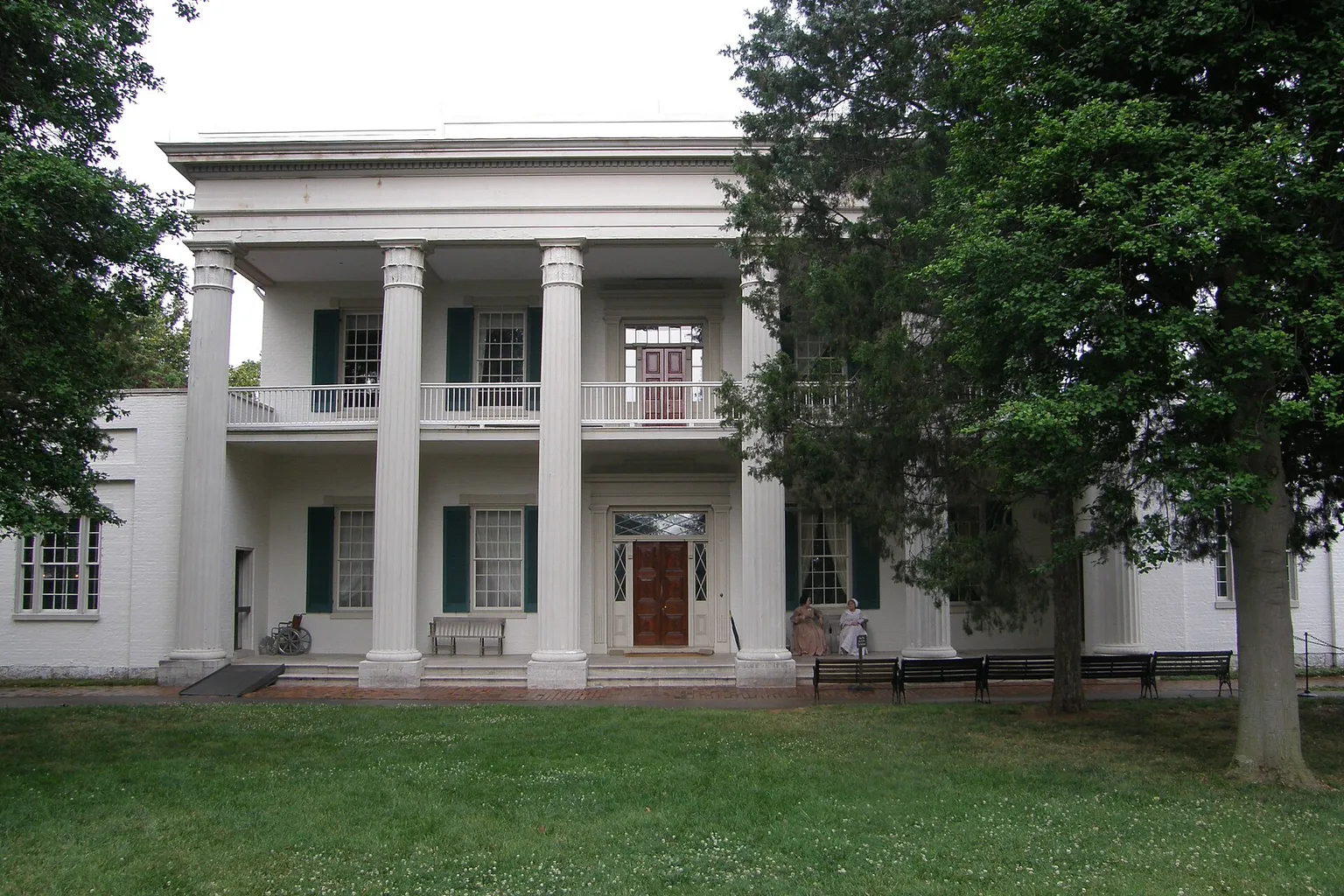
It is a 1,120-acre historic site outside Nashville, with a restored Greek Revival mansion, museum exhibits, gardens, outbuildings, Jackson’s tomb, walking areas, and digital audio tours.
Tickets and prices
Andrew Jackson's Hermitage
Nashville
01 · GetYourGuide
Self-guided audio tour · Grounds access
USD21.81
02 · Official
Official ticket · Adult (13+)
USD29.95
Box office and online booking
Andrew Jackson's Hermitage — At the box office
The first decision is straightforward once we separate the experience into two parts: do you want to enter the mansion itself, or do you want to explore the wider Hermitage grounds at your own pace? Those are different ticket tiers, and choosing the wrong one can change the shape of your entire visit.
The Mansion Tour includes an interpreter-led visit inside the historic home. The Grounds Pass focuses on the estate around it: the museum, outdoor buildings, garden, tomb, audio guide, parking, and the broader historical landscape. Neither option is automatically better. The right choice depends on how much time you have, whether the interior matters to you, and how much structure you want in your day.
Start with the ticket tier, not the itinerary
A common planning mistake is to begin with the question, “What time should we arrive?” At Andrew Jackson’s Hermitage, the more useful first question is, “What do we want our ticket to include?”
There are two primary ways to visit.
| Ticket option | What it includes | Best for | What to know |
|---|---|---|---|
| Mansion Tour | Interpreter-led tour of the historic mansion, plus access to the estate’s broader visitor experiences | First-time visitors and anyone who wants to see the interior of the home | The mansion portion lasts about 30 minutes and runs continuously throughout the day |
| Grounds Pass | Self-guided access to the estate grounds, museum exhibits, introductory film, tomb, outbuildings, garden, audio guide, and parking | Visitors who prefer flexibility, outdoor history, or a shorter and more independent format | It does not include entry into the interior of the Hermitage Mansion |
That last distinction deserves more emphasis than it usually receives. A Grounds Pass is not a less formal version of the Mansion Tour. It is a different experience. You can spend meaningful time at The Hermitage without entering the mansion, but you should not assume that walking the grounds gives you access to the restored interior.
If the house itself is the reason you are visiting—its rooms, architecture, domestic history, and the material evidence of Andrew and Rachel Jackson’s life—choose the Mansion Tour tier. If you are more interested in the estate as a landscape and historical site, the Grounds Pass may give you exactly the freedom you want.
The most useful Hermitage ticket decision is simple: choose the mansion if the interior is essential; choose the grounds if flexibility is the priority.
What the Mansion Tour adds
The Mansion Tour is the more structured option. An interpreter-led visit takes approximately 30 minutes, and departures run continuously throughout the day, roughly every five minutes. This means visitors join the flow on arrival rather than waiting for one specific, assigned entry time.
That matters for anyone planning a Nashville day around traffic, lunch, children, or another attraction. You still need to allow enough time to reach the site and park, but the experience is not built around a narrow timed-entry appointment.
The tour itself is relatively compact, which can be helpful. You are not committing to a long lecture or an entire afternoon inside one building. Instead, the mansion visit becomes the anchor of a larger estate experience: a focused interior tour followed by time in the museum, garden, outbuildings, or walking areas.
What the Grounds Pass makes possible
The Grounds Pass is designed for self-guided exploration. It includes the Andrew Jackson Center museum exhibits, an introductory film, Jackson’s tomb, historic outbuildings, the Hermitage garden, parking, and a digital audio guide. It also includes a discounted wine-tasting opportunity at Natchez Hills Winery.
This option works well when your group has different interests. One person can spend more time with the museum exhibits while another prefers the garden or historic structures. Families may appreciate not having to keep everyone moving through an interior tour. Visitors returning to The Hermitage may also find that the grounds provide enough depth without repeating the mansion experience.
The tradeoff is clear: the Grounds Pass offers breadth and autonomy, but not mansion access.
How the continuous mansion tour flow works
Visitors often search for Andrew Jackson’s Hermitage tickets expecting a traditional timed-entry system. That is not the main rhythm of the Mansion Tour. Rather than assigning each visitor a precise entry time, the site operates a continuous line of departures throughout the day.
In practical terms, you arrive, follow the visitor flow, and join the next available group. Departures occur frequently—approximately every five minutes—so a small delay does not necessarily unravel your plan.
That flexibility does not mean you can treat arrival time casually. The estate is about 10 miles east of downtown Nashville, at 4580 Rachels Lane, and the drive typically takes around 20 minutes from downtown under ordinary conditions. Nashville traffic can add uncertainty, especially when your visit is part of a packed day.
A calm plan looks something like this:
1. Build in travel time from downtown Nashville. The distance is manageable, but the visit is outside the central tourist core. Give yourself room for traffic, parking, and finding the visitor center without rushing.
2. Arrive with the ticket tier already chosen. The decision between the mansion and grounds experience is easier before you are standing at the entrance with a group trying to negotiate its interests.
3. Join the next mansion departure if you have selected that tier. Because the tour runs continuously, you generally do not need to organize your day around a strict assigned slot.
4. Use the mansion tour as your fixed point. Once the interior visit is complete, you can move through the museum, garden, outbuildings, and other parts of the estate at a more relaxed pace.
5. Keep the rest of the afternoon flexible. The Hermitage rewards visitors who leave room for the landscape rather than treating the site as a quick photo stop.
The result is less stressful than a tightly timed museum itinerary. You have a clear structure, but not a rigid one.
Plan for three to four hours, not a quick stop
The Hermitage is large enough that a brief mansion visit does not represent the whole site. A recommended visit takes approximately three to four hours, particularly if you want to combine the interior with the museum and outdoor areas.
That time can pass quickly because the estate asks you to switch modes. The mansion offers a concentrated, interpreter-led experience. The museum gives you a more contextual introduction. The outbuildings and garden move the story into the landscape. The tomb and walking areas create a quieter rhythm, one that does not work well if you are checking the clock every ten minutes.
A useful way to shape the visit is to think in layers:
First layer: orientation
Begin with the visitor experience that helps you understand the site as a whole. The Andrew Jackson Center includes museum exhibits and an introductory film, giving you context before or after the mansion portion of the visit.
If you arrive with only a general idea of Andrew Jackson as the seventh U.S. president, this layer helps connect the public figure to the private household and agricultural estate. It also gives the outdoor structures more meaning. You are no longer looking at isolated buildings; you are reading a working historic landscape.
Second layer: the mansion
The restored Greek Revival mansion is the most structured part of the visit. Allow about 30 minutes for the interpreter-led tour, then give yourself a little mental space afterward. The value is not only in moving room by room. It is in noticing how the interior fits into the larger story of the Hermitage, including the presence and role of Rachel Jackson and the people whose labor sustained the estate.
The mansion should not be treated as the entire site. It is the central reference point, not the finish line.
Third layer: the grounds
The garden, historic outbuildings, tomb, and walking areas provide the physical scale that an indoor tour cannot. This is where a three- to four-hour visit begins to make sense. The landscape shows how the estate functioned and how its history is distributed beyond the main house.
If weather is pleasant, plan to spend more time outside than your first estimate suggests. Historic sites often look compact on a map but feel much larger once you are moving between buildings and exhibits.
Fourth layer: the audio guide
The digital audio tour is accessed on your personal smartphone through a QR code. Dedicated adult and child audio tracks are available, which can make the experience easier to adapt for a mixed-age group.
Bring a charged phone and make sure the people who want to listen can access the tour comfortably. This is not a system based on handed-out audio devices or headphones provided on site. The experience is delivered digitally through your own mobile device.
At The Hermitage, the landscape is part of the interpretation. Leave enough time to walk between the facts, not just collect them.
Choosing the best time to visit Andrew Jackson’s Hermitage
There is no single best time that works for every visitor. The better choice depends on the kind of day you want and how much flexibility your group needs.
If your priority is the mansion, arriving earlier can make the day feel more spacious. You can complete the structured part of the visit before your attention and energy begin to thin out, then explore the museum and grounds without watching the clock.
If your priority is the grounds, you may prefer to organize the visit around the weather and your broader Nashville plans. The estate is extensive, and outdoor comfort has a direct effect on how much you enjoy the gardens, tomb, and outbuildings.
Here is how different planning styles tend to work:
- For a first visit: Choose the Mansion Tour and allow three to four hours for the full estate. This gives you the clearest introduction to both the house and the surrounding site.
- For a family with younger children: Consider whether a continuous mansion flow feels manageable for your group. The Grounds Pass offers more freedom to pause, move, and shorten or extend individual stops.
- For a repeat visitor: The Grounds Pass can be a strong choice if you have already seen the mansion and want to spend more time with the museum, garden, or outdoor structures.
- For a tight Nashville itinerary: Avoid assuming that the mansion’s 30-minute tour equals a 30-minute visit. The drive from downtown, parking, orientation, and the wider grounds all take time.
- For visitors who dislike rigid schedules: The continuous mansion departure system is more forgiving than strict timed entry, but you should still reserve a substantial part of the day rather than squeezing the estate into a narrow gap.
The best time is the time that gives your chosen ticket tier enough room to work.
The practical details that prevent small frustrations
A good Hermitage visit does not require elaborate preparation. It does benefit from a few decisions made in advance.
Confirm the ticket type before traveling
Ticket names can sound similar, especially when you are comparing general admission, grounds access, and mansion options. Read the inclusion details rather than relying on the word “admission.” If entry into the house is essential, make sure the ticket explicitly includes the Mansion Tour.
The Grounds Pass includes substantial access, but it does not include the interior of the Hermitage Mansion. This is the single detail most likely to affect whether the experience matches your expectations.
Check the current operating schedule
Opening hours and special-event arrangements can change. Before setting out, check the current schedule and any day-specific notes attached to your ticket option. This is particularly useful if you are visiting around a holiday, a seasonal program, or a private event.
The continuous tour model helps with arrival flexibility during normal operations, but it does not override the site’s daily opening and closing schedule.
Charge your phone
The audio guide is digital and accessed through a QR code. A charged smartphone is therefore part of the practical equipment for the visit. If several people want to listen, plan how your group will share the device or use personal phones where available.
For families, the separate adult and child tracks can help prevent the audio experience from becoming too dense for younger visitors. It is worth treating the guide as an optional layer, not a requirement to listen to every stop.
Wear shoes for a historic estate, not just a museum
The Hermitage is a broad property with outdoor areas, garden space, historic outbuildings, and walking between sites. Comfortable shoes will make a larger difference here than they would during a short indoor museum visit.
You do not need specialist hiking equipment. You do need to dress for a visit that includes movement across a substantial historic landscape.
Keep the group’s pace in mind
A three-hour visit can feel short to one person and long to another. Before you arrive, agree on the non-negotiables:
- Does everyone want to enter the mansion?
- Will children use the audio guide?
- Is the garden a priority?
- Does anyone need frequent rest stops?
- Are you planning to visit the winery opportunity included with the Grounds Pass?
This is not overplanning. It is a simple way to keep different interests aligned once you are on a large site.
How The Hermitage fits into a Nashville day
Andrew Jackson’s Hermitage is close enough to Nashville for a half-day excursion, but it is not a downtown walk-in attraction. The approximately 20-minute drive from central Nashville makes it easy to add to a wider itinerary, provided you account for the return journey and the amount of time you want to spend on site.
The most comfortable approach is to give The Hermitage its own block of the day rather than placing it between two tightly timed reservations. That leaves room for the mansion flow, the museum, outdoor areas, and the occasional pause when a particular exhibit or building holds your attention.
Visitors who are interested in American political history may be tempted to focus only on Andrew Jackson, often remembered as Old Hickory and the seventh U.S. president. But the site becomes more revealing when you widen the frame. Rachel Jackson, the household, the enslaved people whose labor supported the estate, the agricultural setting, and the preserved structures all belong to the story. The physical layout encourages that broader reading because the history is not confined to one portrait or one room.
That is also why the Grounds Pass should not be dismissed as a secondary option. For some visitors, the wider estate offers the most useful way to understand how power, domestic life, labor, and land were connected.
A clear decision before you purchase
If you are ready to buy tickets for Andrew Jackson’s Hermitage, use this short decision path:
1. Need to see the mansion interior? Choose the Mansion Tour option.
2. Want a self-guided visit centered on the grounds? Choose the Grounds Pass.
3. Have three to four hours available? Plan to combine the primary ticket experience with the museum, garden, outbuildings, and tomb.
4. Traveling with children or a mixed-interest group? Consider the flexibility of the Grounds Pass, or choose the Mansion Tour while leaving the rest of the visit unscheduled.
5. Using the audio guide? Bring a charged smartphone and expect to access the content through a QR code.
6. Coming from downtown Nashville? Allow roughly 20 minutes for the drive, plus time for parking and orientation.
The key is not to search for the universally perfect Hermitage ticket. There is no such thing. There is only the ticket that aligns with the experience you want: the mansion-led visit, the open-ended grounds visit, or a substantial half-day that brings both together.
Choose that first. Then give the estate enough time to unfold.
FAQ
Does the Grounds Pass include entry to the Hermitage Mansion?
How long does the mansion tour take?
Do I need to book a specific time for the mansion tour?
How do I access the audio guide at The Hermitage?
How far is The Hermitage from downtown Nashville?
Photo: Jim Bowen from Zhenhai, China / CC BY 2.0 — Wikimedia Commons