How Energy Giants Are Scouting ClimateTech Startups for Infrastructure Integration
According to BNamericas, energy groups are looking for startups and technology companies to support projects.
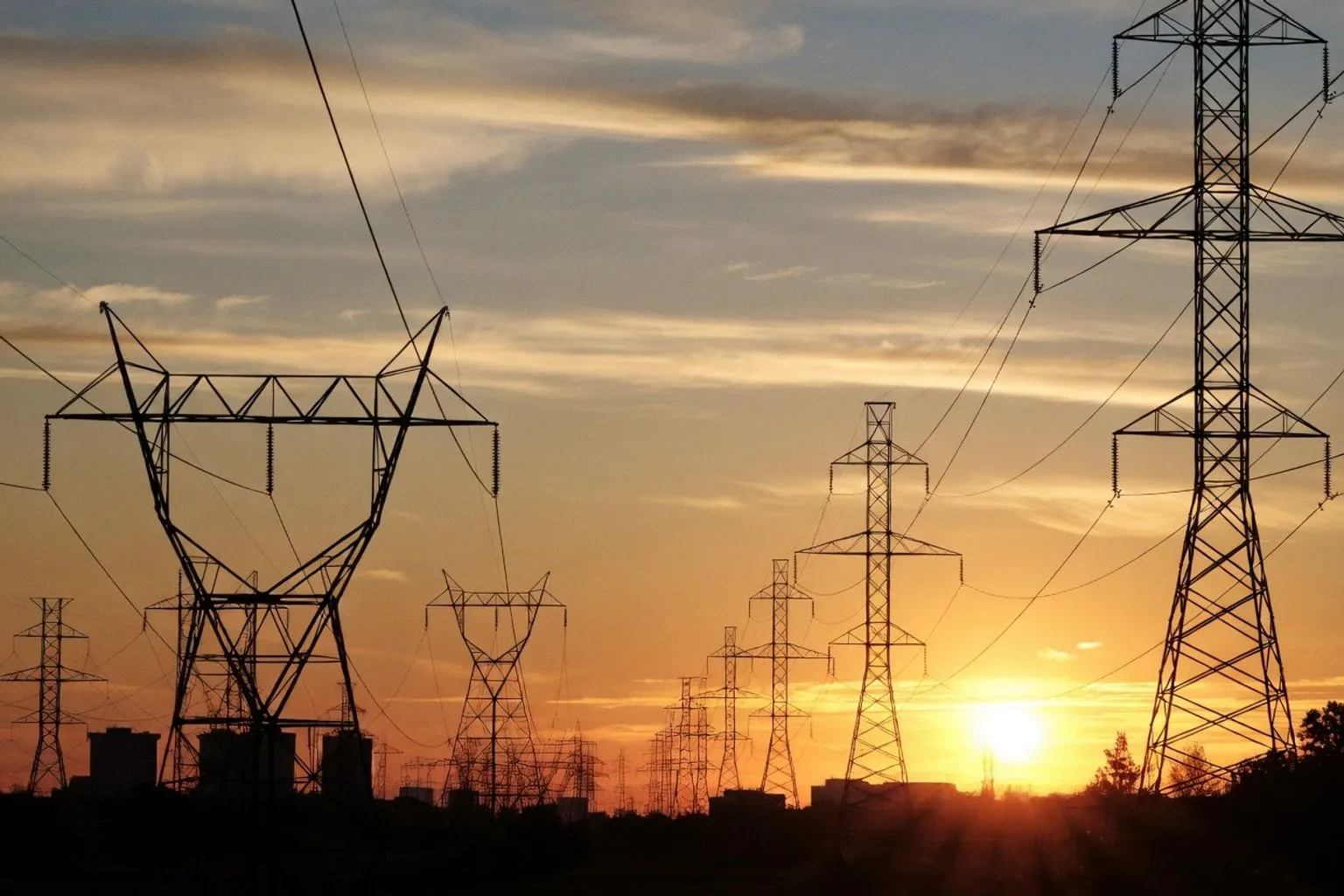
For ClimateTech founders, the signal is operational: utilities and energy platforms are scanning for software, grid, storage, and deep-tech capabilities that can move from prototype to deployment. The bottleneck is not another concept deck. It is proof that the product can integrate with infrastructure, generate measurable output, and survive long sales cycles.
Demand is forming around grid coordination
EU-Startups identifies 10 European GridTech startups working on the problem of making a more decentralised power system measurable and easier to balance. The reported technology areas include virtual power plants, AI-powered energy trading, smart metering, battery optimisation, and software for coordinating distributed assets.
The commercial pattern is clear. A startup does not need to build transmission infrastructure to become relevant to energy groups. It can provide a control layer between existing assets and energy markets.
That creates several entry points:
1. Aggregation. Connect batteries, EV chargers, heat pumps, or renewable assets into a flexible portfolio.
2. Optimisation. Decide when storage charges, discharges, or participates in electricity markets.
3. Measurement. Turn distributed equipment into data that operators and market participants can use.
4. Market access. Provide the infrastructure required to forecast, coordinate, and dispatch flexibility.
For founders, the product boundary matters. “AI for energy” is not a buyer requirement. A buyer needs a defined system function, an integration path, and a measurable improvement in throughput, reliability, or operating cost.
Funding is following deployable infrastructure
The evidence also shows activity outside GridTech. The Hans India reports that a government energy platform plans to back 30 energy deep-tech startups. The report does not provide further details in the available material, so the structure, eligibility criteria, and funding terms remain unknown.
Carbon Pulse reports that a US startup raised $5.4 million in pre-seed funding to commercially demonstrate technology for producing carbon-sequestering fertiliser. The funding is aimed at deployment in engineered carbon removal and lower-emissions agriculture.
These are different technologies and capital profiles. They should not be treated as one market. The common variable is the transition from technical promise to field demonstration.
That changes the scaling equation. If the product requires new infrastructure, the burn rate will be shaped by deployment time, certification, integration work, and customer procurement. If it can operate on existing assets, the main bottleneck may shift to data access, interoperability, and the cost of acquiring anchor customers.
The correct question is not whether an energy group is interested. It is whether the startup can define the unit economics of that interest.
Parameters founders should test before pursuing a project
Use a narrow qualification sequence.
Parameter one: buyer. If the target customer is unclear, stop. “Energy groups” is a category, not a sales process. Identify whether the buyer is a utility, distributor, asset owner, technology provider, or public platform.
Parameter two: project interface. If deployment requires access to grid, storage, agricultural, or industrial infrastructure, document the dependency before raising the next round. An unpriced integration dependency is a hidden burn-rate problem.
Parameter three: measurable output. If the product claims flexibility, optimisation, removal, or emissions reduction, specify what is measured and when. Do not substitute a climate narrative for a performance metric.
Parameter four: demonstration path. If commercial deployment is the funding objective, define the sequence from pilot to repeatable contract. A single demonstration can validate technical feasibility. It does not validate throughput or unit economics.
The current signal supports active market mapping, not indiscriminate acceleration. Grid software, energy aggregation, storage optimisation, and climate-removal applications are receiving visible attention in the reported coverage. But the available evidence does not establish procurement volumes, conversion rates, or investor terms.
Scale only if:
- the buyer is named;
- the infrastructure dependency is priced;
- the output is measurable;
- the pilot has a path to repeat deployment.
Do not scale if:
- the project depends on an unnamed energy group;
- the technology function is still generic;
- integration work is excluded from the budget;
- the funding headline is being mistaken for product validation.