Top ClimateTech Accelerators: Navigating the 2026 TIME and Statista Rankings
TIME Magazine, in partnership with data firm Statista, has published its list of America's Best Incubators and Accelerators of 2026, spotlighting the top 80 programs nationwide.
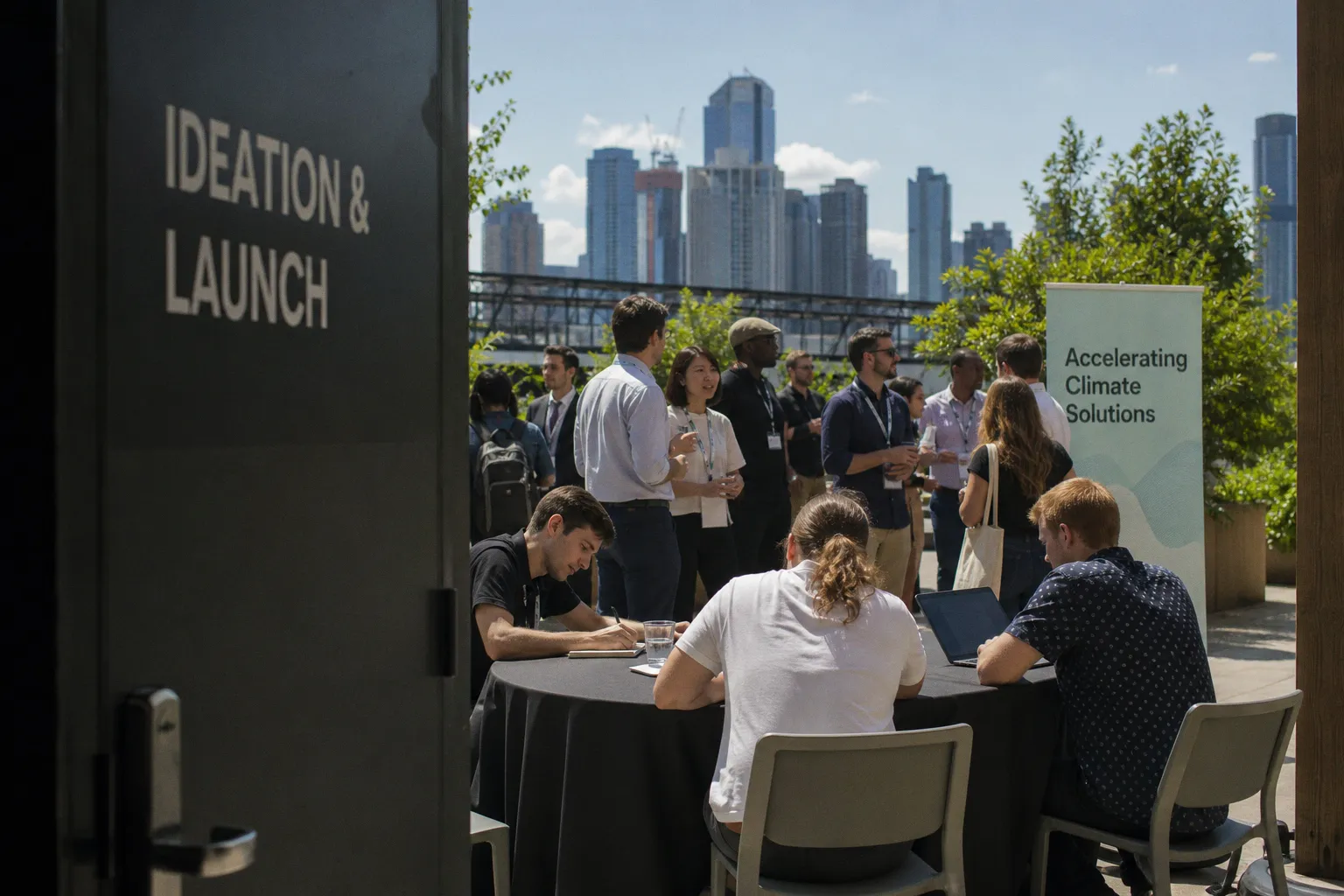
You're scrolling through accelerator applications, wondering which program will actually move the needle for your climate startup — and suddenly, a major ranking lands that could help you navigate that choice. TIME Magazine, in partnership with data firm Statista, has published its list of America's Best Incubators and Accelerators of 2026, spotlighting the top 80 programs nationwide. For climate tech founders, one name on the list stands out: Cleantech Open, one of the longest-running cleantech-focused accelerators in the country.
Why This Ranking Matters When You're Choosing a Program
The sheer number of incubators and accelerators can feel paralyzing. Which ones deliver real outcomes? TIME and Statista tried to answer that by combining alumni evaluations from more than 2,000 founders who went through programs between 2020 and 2025, a track-record analysis of each program's top-performing startups, and expert recommendations from investors and seasoned entrepreneurs. That three-dimensional lens — not just hype, but founder experience and measurable results — makes this ranking worth your attention as you map out your own next step.
As Valentina Assenova, an assistant professor at the University of Pennsylvania's Wharton School, explains, the rise of accelerators is partly a response to how venture capital has shifted. Over time, U.S. VC funding has moved away from seed and early-stage toward growth-oriented investment, leaving a gap for founders who need support before they're ready to scale. Accelerators, she notes, help reduce uncertainty during some of the riskiest phases of company formation.
Incubator vs. Accelerator: Picking the Right Fit for Your Climate Startup
It's worth pausing on a distinction that trips up a lot of founders. Incubators, Assenova describes, function more like hatcheries — they tend to be longer-term or open-ended, offering infrastructure and venture development support at a very early stage. Think university-based programs like The Garage at Northwestern, which ranked fifth on the list.
Accelerators, by contrast, compress years of learning into a fixed-term, intensive boot camp. They give you access to mentor networks and trusted business ecosystems that would otherwise take years to build — especially valuable if you're building outside traditional tech hubs. For cleantech founders specifically, the heterogeneity of accelerator models is a real advantage: some are equity-based, some are nonprofits, and some have longer runways backed by government support. You can align the structure with where your startup actually is.
Cleantech Open's inclusion on the TIME list is a meaningful signal for our community. It validates that a climate-focused program can stand shoulder to shoulder with broad-spectrum tech accelerators when measured by founder outcomes and alumni satisfaction.
What to Do With This Right Now
If you're in the ideation or early-launch phase, this ranking is a practical starting point — not a finish line. Pull the full list. Identify two or three programs that align with your sector focus and stage. Then do what the best founders do: talk to alumni directly. Ask about mentorship quality, funding pathways after the program, and whether the network actually opened doors. The right accelerator doesn't just teach you to avoid mistakes — it front-loads the knowledge so you can spend your capital on ideas that have a real shot.