Inside The Greenhouse: How 16 Climate Startups Are Scaling Net-Zero Solutions
Sixteen climate startups are deep into a year-long sprint at Imperial College London's Greenhouse accelerator, and the shape of their journey is worth a closer look if you're building something in the net-zero space.
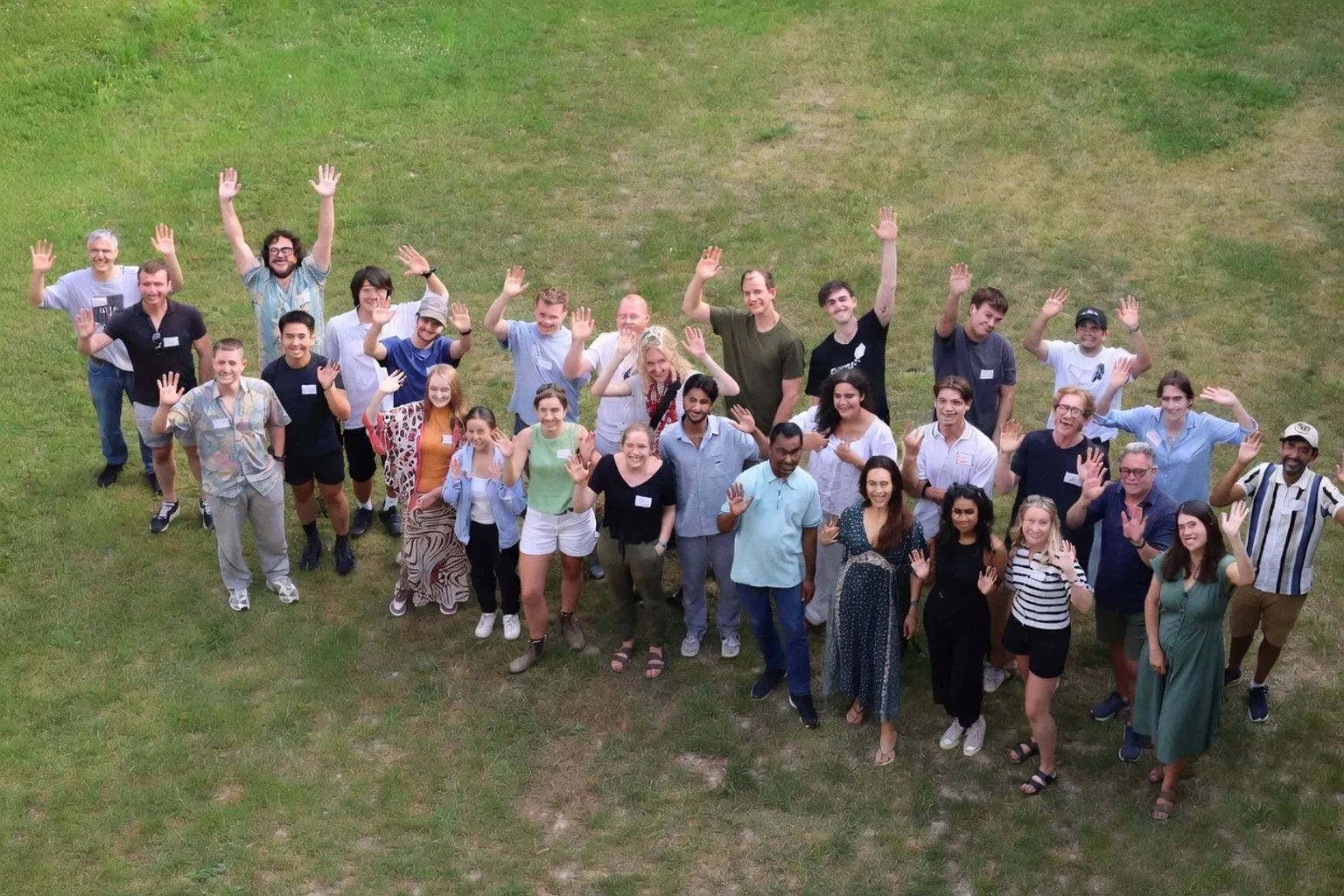
The Greenhouse, run through Imperial's Undaunted program, has been guiding its tenth cohort through intensive two-week sprints covering customer discovery, technology development, commercial strategy, and intellectual property. By Demo Day, each team will have spent twelve months testing, refining, and pushing their ventures toward pilots, partnerships, and investment. The cohort spans clean energy, advanced materials, sustainable food systems, industrial decarbonisation, and climate adaptation — a useful reminder that climate tech is no longer one vertical but a layered ecosystem.
What founders actually get inside the program
If you've ever wondered whether an early-stage accelerator is worth a year of your runway, the structure here is worth naming out loud. Participants receive mentorship, up to £20,000 in grant funding per founder, workspace, specialist workshops, and direct access to Imperial's research expertise, facilities, and networks. HSBC UK powers the program. According to Maiko Schaffrath, who heads The Greenhouse, the cohort has leaned in with curiosity and ambition, testing ideas with customers, sharpening commercial strategies, and learning from one another rather than just polishing impressive technologies. Natalie Gregoire-Skeete at HSBC UK has pointed to the program's role in turning bold solutions into investable, scalable businesses.
Here's the takeaway for you: an accelerator isn't a classroom. It's a forcing function that compresses a year of hard questions into manageable two-week arcs. Notice which sprint — customer discovery, tech development, commercial strategy, or IP — feels heaviest for you right now. That friction is your real starting point.
A peek at where the cohort is pointing
A few of the ventures hint at the collective energy in the room. Algiplex is upgrading biological infrastructure for existing microalgae producers, reporting more than eight-fold productivity gains without asking producers to replace costly physical systems. FluoroCycle is developing a low-energy chemical treatment aimed at making "forever chemical" destruction simple and affordable. FORAGER is building tools to help farmers mitigate drought risk, nourish their soils, and protect their livelihoods.
None of these are moonshots in the hype sense — they're wedge solutions designed to slot into existing systems and economics. If you're a founder reading this, the question worth sitting with is whether your climate solution makes the path of least resistance for an incumbent easier, or whether it asks the market to relearn everything from scratch.
What to watch — and when to apply
Applications for Cohort 11 are now open, alongside a new Opening Opportunities Fund designed to widen the door for founders stepping into entrepreneurship. If you've been hovering on the fence about whether your climate venture needs a structured acceleration environment, this is a window worth watching closely. But apply because you want your assumptions broken before your runway runs out, not because the grant alone is tempting. The strongest signal from Cohort 10 isn't the funding — it's the pace at which founders have chosen to be challenged.