How the DOE’s New AI Foundation Models Are Reshaping the ClimateTech Market
Department of Energy is doubling down on AI foundation models for climate and grid work — and the smart question isn't whether their roadmap is impressive, but whether it quietly reshapes the market…
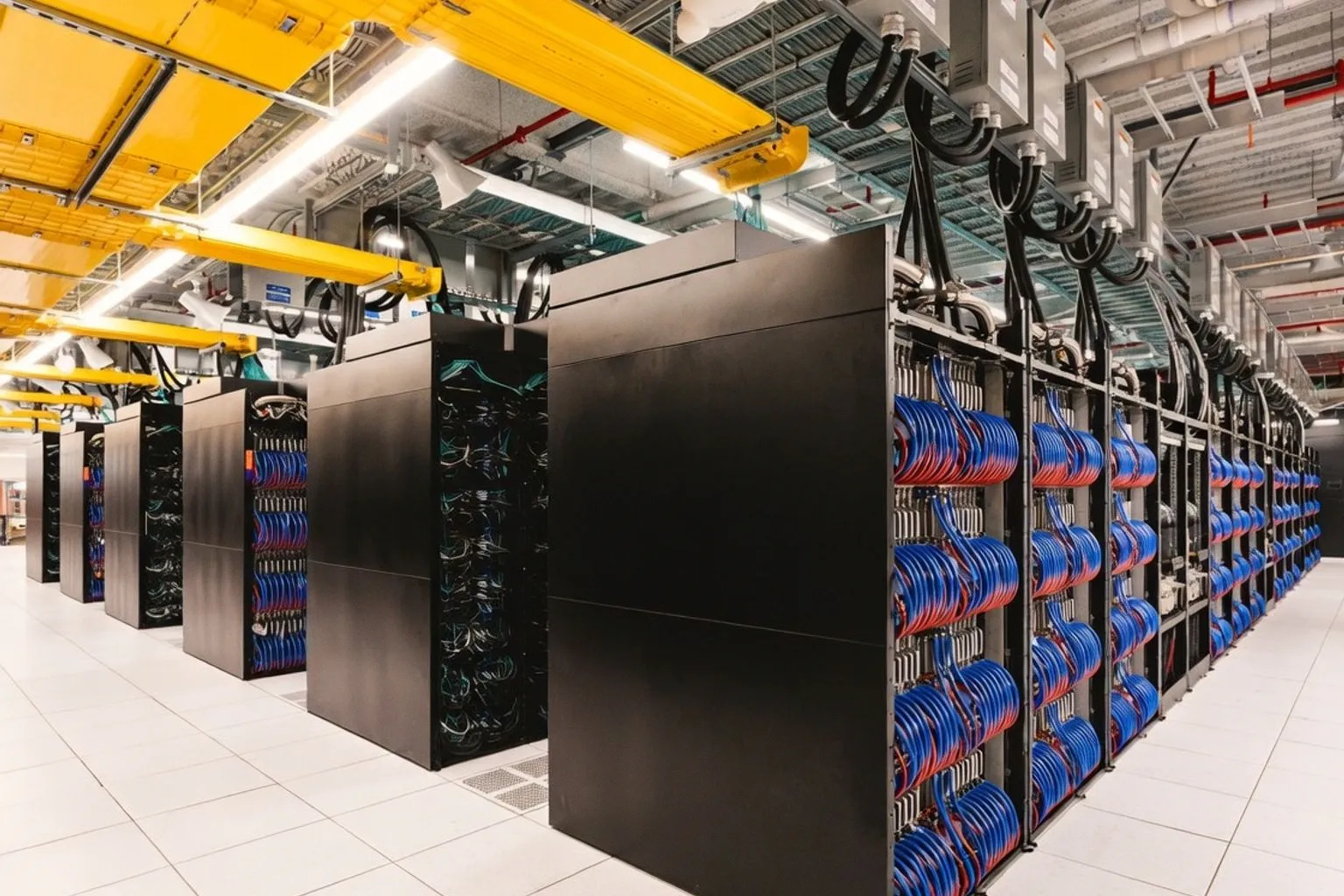
The U.S. Department of Energy is doubling down on AI foundation models for climate and grid work — and the smart question isn't whether their roadmap is impressive, but whether it quietly reshapes the market your climate-tech venture was about to enter. According to the Department of Energy, the agency has already deployed AI across advanced computing, emergency response, environmental modeling, climate forecasting, and materials research at its national labs. Now it's packaging those capabilities into a public-facing ecosystem of tools and models.
What DOE Actually Built
The Department of Energy's national laboratory complex has produced a number of AI foundation models — large systems trained on broad data inputs that can be adapted to different tasks. Two concrete examples stand out for climate-tech founders watching this space.
The National Renewable Energy Laboratory demonstrated that a foundation model can use DOE national laboratories' vast technical data and reports to answer user questions about Puerto Rico's transition to 100% renewable energy. Los Alamos National Laboratory is developing foundation models for biological research — predicting properties of mutated protein sequences, generating or repurposing existing drugs, and building guardrails for biosecurity work.
In plain terms: DOE is not theorizing. It already ships working models that sit on top of decades of taxpayer-funded technical data. According to the agency, those models hold promise for transforming critical minerals work, climate forecasting, and nuclear nonproliferation.
The Founder's Reality Check
Here's the friction worth naming: if a federal lab can train a foundation model on its own energy and climate archives, what does that mean for a startup pitching a proprietary AI layer on the same problem?
Three assumptions deserve pressure-testing before you build another AI-for-climate pitch deck. First — assumption that DOE's tools stay siloed in government. The Department of Energy explicitly markets a web portal highlighting its AI tools and partnerships for science, energy, climate, and security. That is a moat being lowered, not raised. Second — assumption that your data advantage is defensible. NREL's demonstration used DOE's own technical archives. If the data already lives inside a national lab, your wedge has to be downstream of that, not adjacent to it. Third — assumption that "AI for climate" is still a wide-open category. The agency has named specific targets — streamlined environmental permitting, fusion at scale, grid reliability — and is funding toward them. Generalist AI-for-climate pitches now compete against a stated federal roadmap.
What to Track Before You Build
The practical move for ClimateTech founders isn't to copy DOE's stack — it's to map the gaps between what the agency builds and what utilities, developers, or permitting offices will actually pay a vendor to solve. Watch for three signals in the coming quarters: which foundation models the Department of Energy releases as open or licensed access, which partnerships the national labs announce with private operators, and whether downstream customers (grid operators, permitting agencies, fusion developers) start referencing DOE outputs in their procurement language. If those references appear, the validation case writes itself. If they don't, the market is telling you something the agency announcement isn't.