How to Reverse-Engineer Blue Economy Grant Proposals for ClimateTech Success
A reference document for blue economy grant applications just landed on fundsforNGOs.
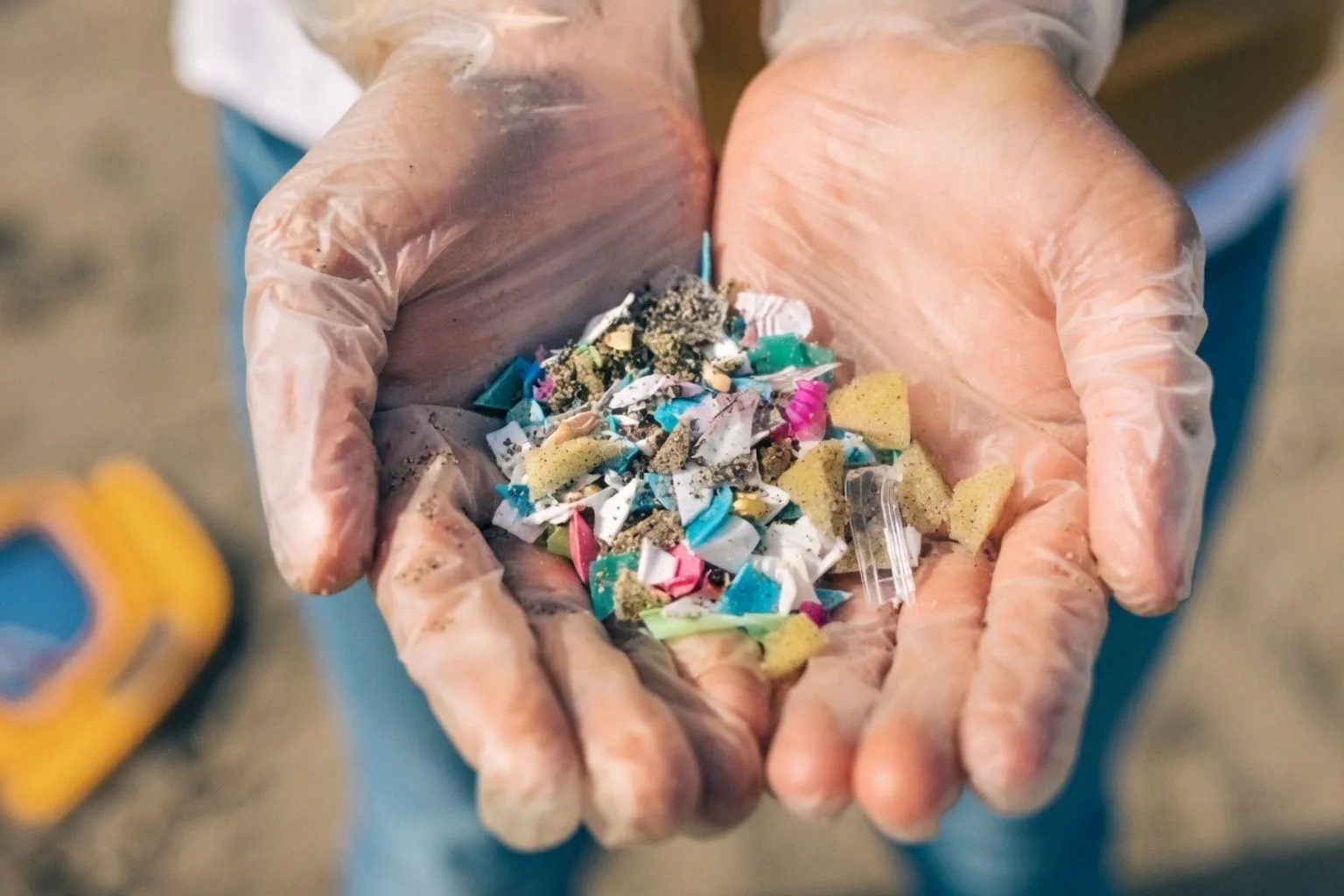
According to the platform, the "Sample Grant Proposals on Innovative Solutions for the Sustainable Development of the Blue Economy" is published as a template, not an open call. For climate tech operators working in the ocean economy, this is structural input — a calibrated document you can reverse-engineer against your own application pipeline.
The same feed surfaces three related signals over the weekend. fundsforNGOs is also running applications for the Waste Innovation Challenge 2026 in South Africa. Global South Opportunities opened the SELA Fellowship 2026 for African sustainability leaders. UToday ran an editorial piece titled "This is the time for innovative solutions." Read together, the cluster maps where capital and capability channels for early-stage climate operators are thickening this quarter.
The concrete instrument: Waste Innovation Challenge 2026
This is the only item in the cluster with hard unit economics attached. Total prize pool: R245,000, distributed across awards of R10,000 to R100,000. The challenge operates as a six-week online programme, run jointly by the Entrepreneurship Development in Higher Education (EDHE) programme and the Mr Price Foundation. Eligible applicants: South African university students, alumni, researchers, individual innovators, and multidisciplinary teams combining engineering, business, design, environmental science, technology, or entrepreneurship.
Submissions are filtered against four explicit parameters:
1. Technical feasibility.
2. Business potential.
3. Scalability.
4. Social value.
Note what is absent. There is no scoring lane for environmental framing in isolation. A proposal that diagnoses the plastic waste problem but does not specify throughput, unit economics, or execution risk will not pass. The challenge scopes plastic waste management and green entrepreneurship — not general sustainability. Both pre-launch ideas and operating businesses are eligible, but applicants must declare their current stage of development.
The capability layer: SELA Fellowship 2026
According to the Global South Opportunities listing, the fellowship is framed as a capacity-building instrument: skills, mentorship, networks, and practical impact opportunities for Africa's next generation of sustainability leaders. Full source text was not available; treat cohort size, time commitment, and eligibility specifics as unverified until confirmed directly with the issuing body. Operationally, treat it as a learning-plus-network input, not capital.
What to verify before committing founder hours
Apply only if all three conditions hold:
- The funder's stated scope matches your product's actual interface. The Challenge is plastic-waste-specific. The blue economy sample is broad ocean-economy reference material. The Fellowship is capability, not capital.
- Your runway covers the full programme window plus payout latency. A six-week programme plus award settlement equals at least two months of opportunity cost against your current burn rate.
- Equity, IP, and follow-on terms have been directly confirmed. The cluster material does not specify them.
If any condition fails, the item becomes a monitoring entry — not an active pipeline slot. Do not let template-publishing volume distort your bottleneck map.