Penang Climate Mitigation Fund Attracts 25 Startups Seeking Early-Stage Capital
According to SME & Entrepreneurship Magazine, 25 companies have stepped forward to seek financing under the Penang Climate Mitigation Fund — a concrete sign that sub-national climate pools are moving…
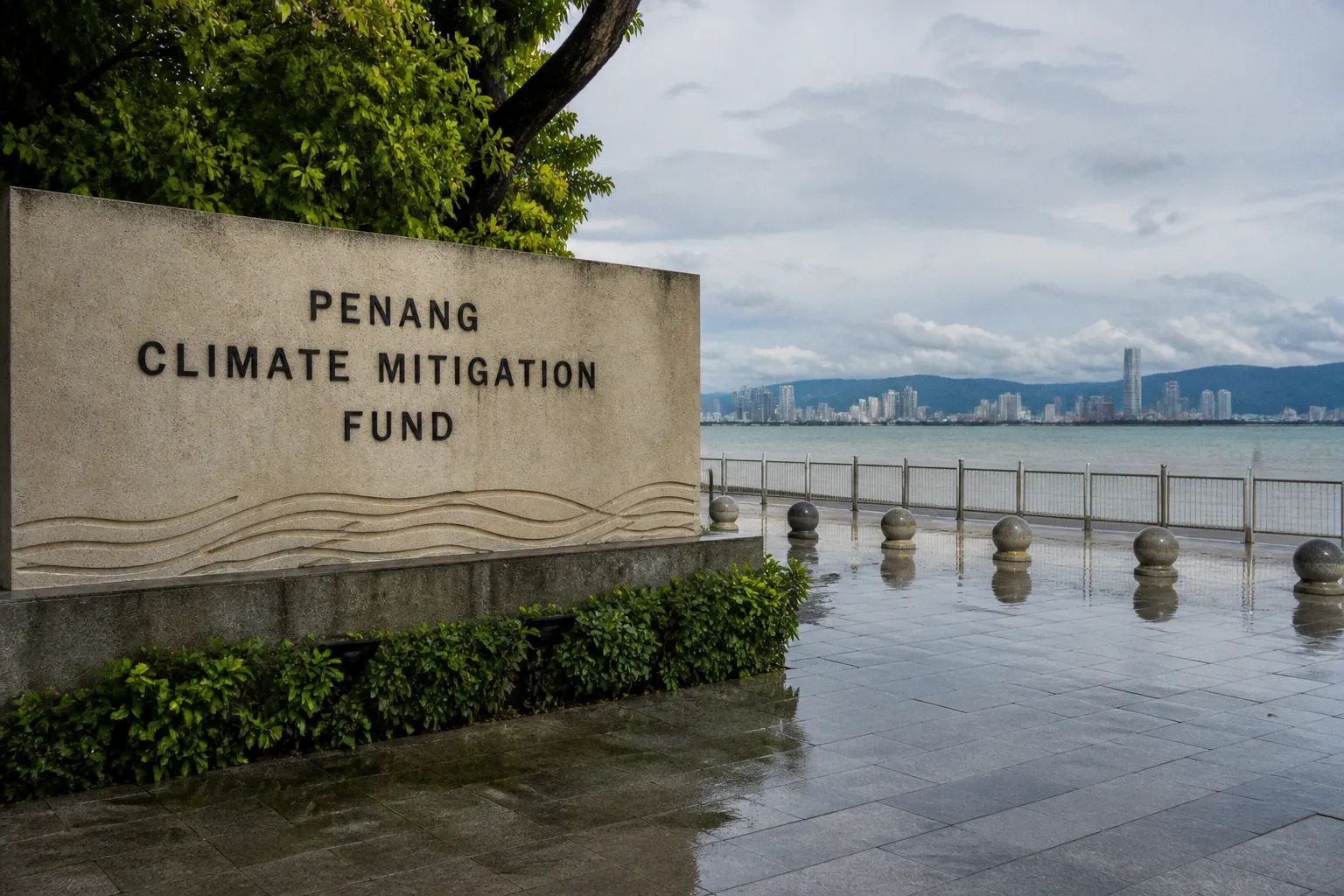
Wondering if your first climate capital will actually land this quarter — or keep sliding into the next one? You're not the only founder watching that question, and a fresh signal from Southeast Asia is quietly reshaping the answer. According to SME & Entrepreneurship Magazine, 25 companies have stepped forward to seek financing under the Penang Climate Mitigation Fund — a concrete sign that sub-national climate pools are moving from concept to active pipeline.
The Signal Worth Reading Twice
Penang isn't a marginal case study anymore. A state-level body has put climate mitigation capital on the table, and 25 operators have answered. The granular mechanics — ticket sizes, eligibility windows, review rhythm — aren't public in what we've seen so far, but the pattern is what matters right now. Sub-national climate funds are shifting from "interesting in theory" to "calls you can actually answer." Penang is the latest example of a category, not a one-off.
For an early-stage ClimateTech founder, the headline isn't about the 25. It's about the class of opportunity. State ministries, provincial economic councils, and municipal green vehicles are quietly building the same playbook as national development banks — with shorter decision cycles and quieter competition than a Series A round. The capital is real, and it's closer than most founders realize.
What to Adjust on Your Roadmap
The conventional sequence still works — angels, grant, venture — but it's no longer the only path worth funding your milestones with. Three shifts are worth making this quarter:
- Add sub-national funds to your pipeline. Your target list should sit beside the national ministries and VCs you already track: state innovation agencies, provincial environmental vehicles, municipal mitigation pools. Treat them as a first-tier source, not a footnote.
- Translate your pitch. National VCs lead with market size. Municipal and provincial funds typically lead with local impact — emissions reduced within the district, supply chain anchored, jobs added. Build one deck variant that opens with a Penang-style locality story and leads with those three numbers instead of TAM.
- Document your readiness early. These funds score heavily on technical maturity, co-financing commitments, and implementation capacity. That's your data room. Start collecting the inputs now so your first application goes out in days, not in a scramble six weeks from now.
Where to Begin This Week
Don't read this as a missed window. Read it as a reminder. Open the SME & Entrepreneurship Magazine item, then map the question it raises for you: which sub-national climate fund exists within a few hundred miles of your pilot site, your manufacturing partner, or your first customer? Name two. Subscribe to their announcements. Read past recipients and what got funded. Then block one focused afternoon this week to draft your first application — eight pages, plain language, a single clear ask.
Capital rarely shows up where we haven't looked. The geography of climate money is shifting right now, and the founders who treat this morning's signal as their queue to move will be the ones closing term sheets before the quarter is out.