How ClimateTech Founders Should Interpret DOE AI Initiatives
Department of Energy says it is advancing the AI innovation ecosystem.
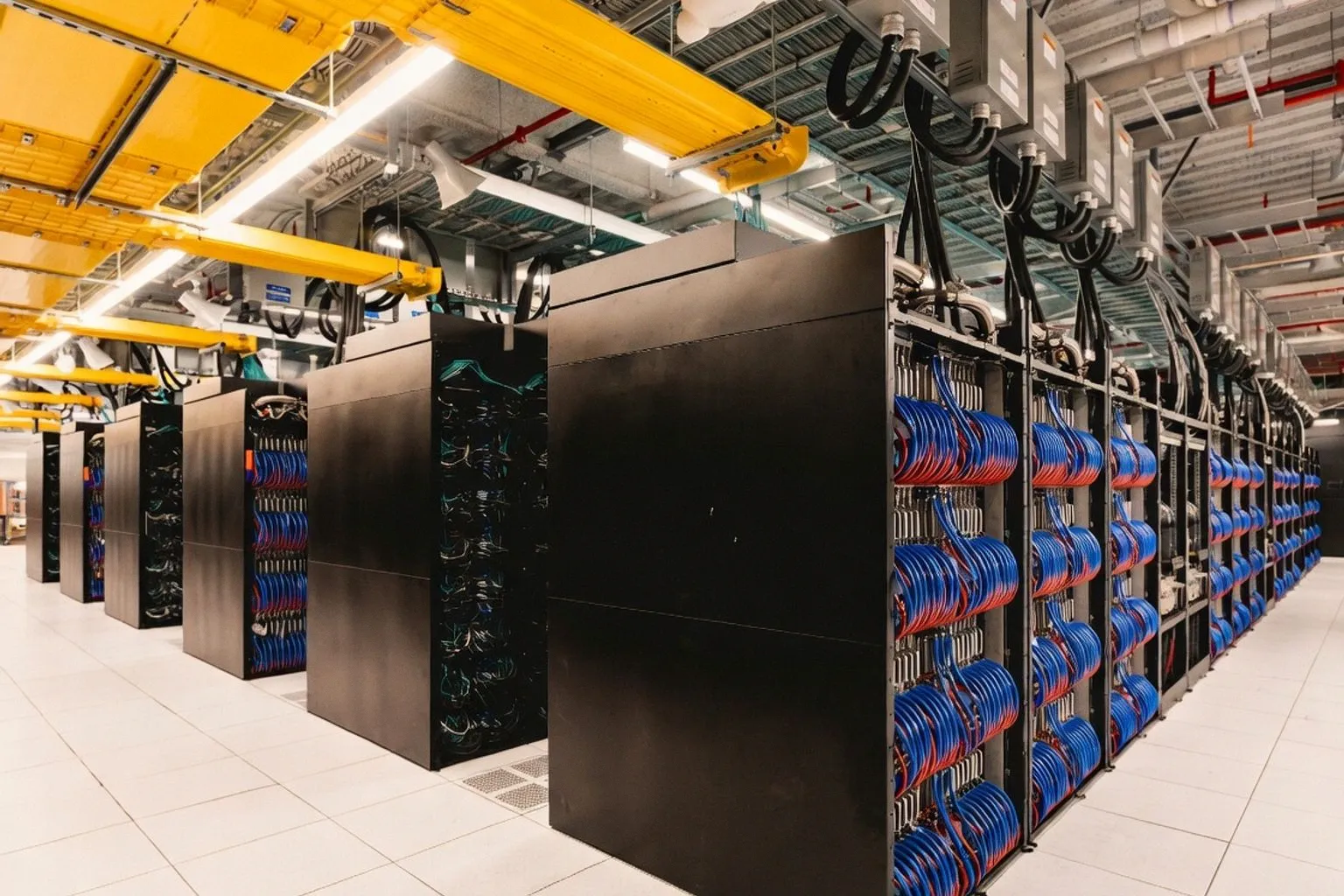
The U.S. Department of Energy says it is advancing the AI innovation ecosystem. For ClimateTech founders, the immediate signal is strategic, not financial: AI is being positioned as part of the infrastructure around science, energy, and security. The evidence does not establish a new grant, procurement route, or accelerator intake.
The first bottleneck is interpretation
An ecosystem announcement is not a funding instrument.
If the DOE has not published eligibility rules, award sizes, application dates, or selection criteria in the available material, then founders should not model the announcement as near-term runway. Add no revenue to the plan. Add no grant probability to the base case. Keep the burn rate unchanged until an actionable program appears.
This distinction matters because ClimateTech companies often confuse institutional interest with institutional demand. The former can improve market timing. The latter requires a buyer, a budget, and a procurement path.
Use three parameters:
1. Signal: the DOE is advancing an AI innovation ecosystem.
2. Mechanism: not specified in the available evidence.
3. Cash impact: zero until a confirmed funding or contracting route exists.
That is the operating position.
What founders should test next
The relevant question is not whether AI has strategic value. It is whether a company can convert that value into throughput inside an energy or climate workflow.
If your product uses AI for grid operations, climate forecasting, materials research, environmental permitting, or another technical process, map the product to a specific institutional bottleneck. Do not lead with the model. Lead with the task, the required data, and the measurable output.
A usable diligence sheet should contain:
- Workflow: which process changes if the product is adopted.
- Input: what data the system requires and who controls it.
- Output: what decision, forecast, or engineering action improves.
- Validation: what evidence a technical or public-sector buyer would require.
- Deployment: whether the product can operate within the buyer’s security and infrastructure constraints.
- Unit economics: cost per analysis, forecast, or completed task.
- Throughput: how much additional work the customer can process without adding equivalent headcount or infrastructure.
If these fields are blank, the company has an AI thesis, not an institutional sales motion.
Do not build the plan around a headline
The available material does not confirm a specific DOE program, partnership structure, application process, or commercial commitment. It also does not provide a timeline for founders. That limits what can be claimed and increases the value of disciplined monitoring.
Track the DOE for four concrete changes:
1. A named program or portal with operating rules.
2. A defined technical problem tied to energy or climate deployment.
3. A procurement, pilot, partnership, or funding mechanism.
4. Evidence that startups can participate directly rather than only through research institutions or established contractors.
Until one of these appears, the rational move is preparation. Build the technical dossier. Quantify the bottleneck. Document data provenance. Stress-test security and deployment assumptions. Keep the financing model independent of the announcement.
The binary checklist is simple:
- Confirmed funding or procurement route: no.
- Reason to improve institutional readiness: yes.