How DOE National Labs Are Opening Their AI Foundation Models to ClimateTech Founders
Department of Energy answered a question ClimateTech founders have been quietly asking for years: are the national labs actually building AI tools we can plug into, or just publishing papers?
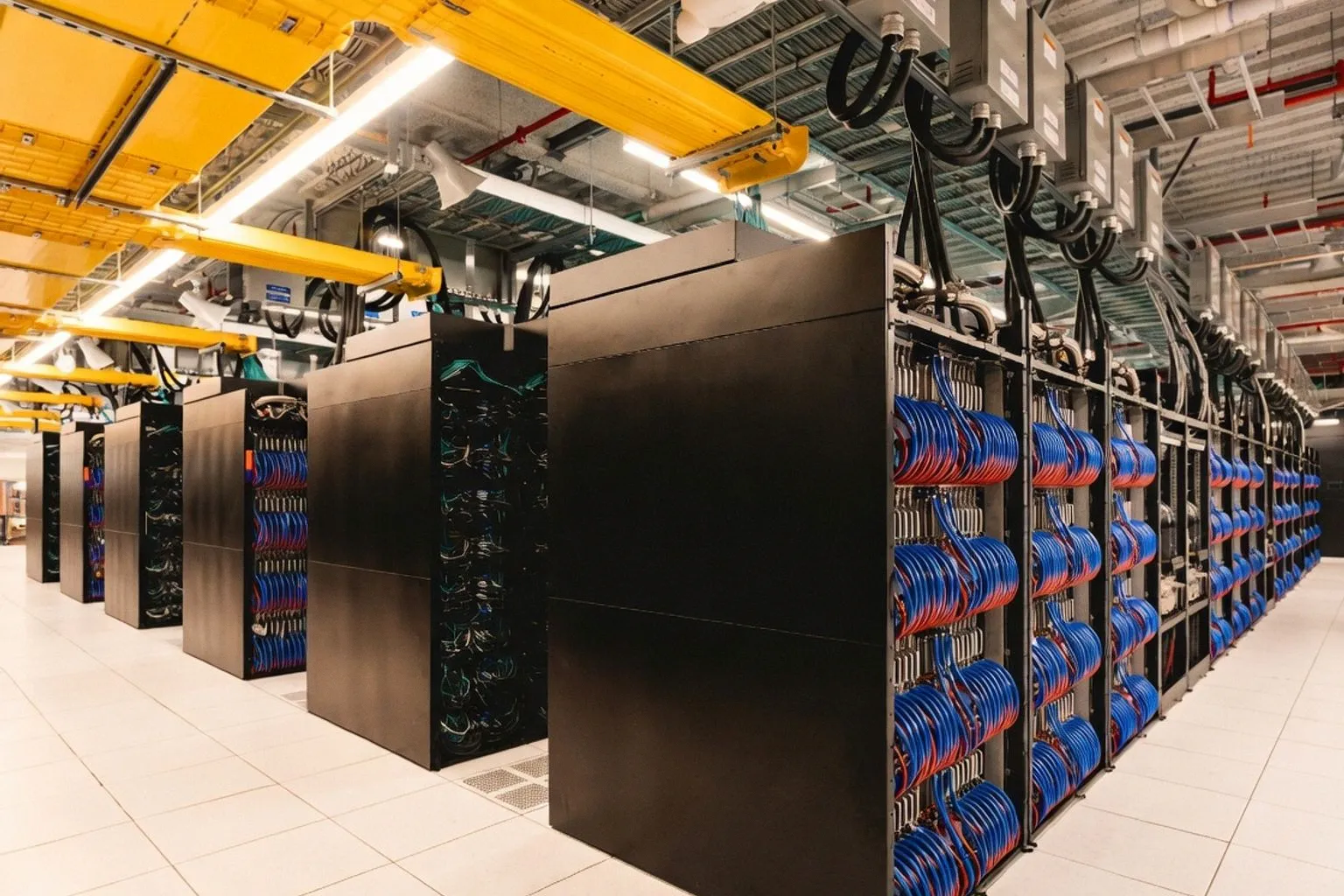
On a recent portal update, the U.S. Department of Energy answered a question ClimateTech founders have been quietly asking for years: are the national labs actually building AI tools we can plug into, or just publishing papers? The answer, laid out plainly, is the former. DOE's labs are training foundation models — AI systems trained on broad datasets and adapted to specific tasks — designed for the science, energy, climate, and security work that founders like us care about most.
From Puerto Rico's Grid to Protein Sequences
The DOE portal walks through how these foundation models are being shaped for real missions. One example comes from the National Renewable Energy Laboratory, where an AI foundation model has been demonstrated answering questions about Puerto Rico's transition to 100% renewable energy, drawing on the national labs' deep technical data and reports.
At Los Alamos National Laboratory, the team is developing foundation models for biological research: studying viral protein sequences through large language models, predicting properties of mutated and new proteins, generating or repurposing existing drugs, and building guardrails for biosecurity research. Different domain, same pattern — domain-specific models built to navigate messy, mission-critical data.
Why This Hits Your Roadmap
DOE already uses AI for advanced computing, emergency response, environmental modeling, climate forecasting, and materials research. The portal names areas where these models could streamline environmental permitting, help deploy fusion power at scale, and improve electrical grid reliability — three areas that quietly determine how fast any ClimateTech startup moves from pilot to deployment.
Those aren't abstract categories for us. If you're building in critical minerals, grid resilience, or climate forecasting, those bottlenecks shape your runway right now. The promise of foundation models built for DOE's mission — with their ability to surface patterns in vast datasets that would otherwise stay unmanageable — is that the same acceleration could land directly in your sector, if you're willing to align your tooling choices with what's already being built in the public complex.
What to Do Before Friday
We don't need to chase every headline. What we can do is treat the DOE AI web portal as a working directory — a non-exhaustive selection of tools, foundation models, and partnerships across science, energy, climate, and security. Bookmark it. Skim it during your next planning sprint. Pick the two or three models that touch your immediate problem space. Reach out to the listed partners before your next investor update, and bring back at least one concrete collaboration angle.
The infrastructure behind the climate transition is being assembled in public, and founders who learn to navigate it early — rather than waiting for the press release — will move faster when the next round of pilots opens.