How Space Agency Climate Initiatives Impact Early-Stage ClimateTech Founders
Pakistan's space agency SUPARCO convened a symposium this week centered on space-based tools for climate resilience, according to a Business Recorder report — and if you're building in ClimateTech…
Pakistan's space agency SUPARCO convened a symposium this week centered on space-based tools for climate resilience, according to a Business Recorder report — and if you're building in ClimateTech, that headline probably surfaced a quiet question we hear from founders all the time: does this kind of signal actually change anything for an early-stage team, or is it just institutional theater?
What we know so far
The Business Recorder headline confirms that SUPARCO, the Space and Upper Atmosphere Research Commission of Pakistan, hosted an event positioning space technology as a tool for climate resilience. Beyond the headline, we don't yet have visibility into specific funding commitments, partnership calls, or programs announced on stage, and we want to be upfront about that. When a national space agency frames climate as a core application area, though, it tends to ripple outward into research grants, university pipelines, and vendor programs within 12–24 months.
If you're building in remote sensing, agricultural intelligence, flood or drought forecasting, emissions monitoring, or disaster response logistics, this is a thread worth tracking closely.
The wider signal we're watching
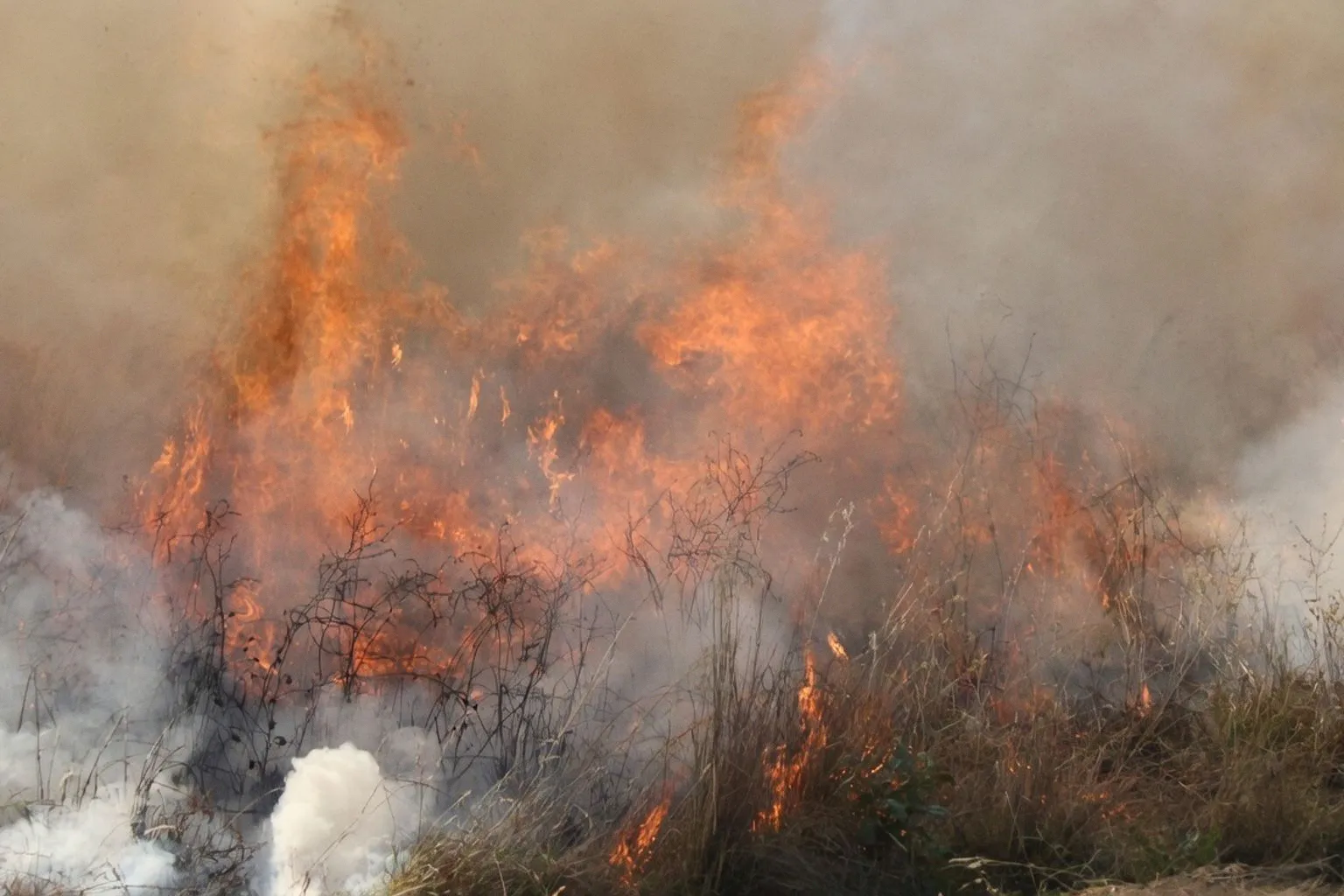
Around the same window, parallel research-and-innovation momentum is showing up in adjacent spaces. As reported by The Shepparton Adviser, Australia's Country Fire Authority is investing in research partnerships to help fire services anticipate emerging climate risks, explicitly tying R&D to operational outcomes rather than science for its own sake. That's a useful pattern to mirror: climate resilience buyers increasingly want tools that plug into existing workflows, not standalone platforms.
For early-stage teams, three shifts tend to follow when national agencies start convening these symposia:
- Pilot funding windows — small grants to prove your tech in a specific geography or hazard context.
- Data access programs — subsidized or free access to satellite imagery, atmospheric datasets, or ground-truth networks.
- Procurement education — agencies learning how to buy from startups, which translates to warmer introductions later.
Your next move this week
Pick one public-sector climate resilience program in your region, whether SUPARCO's or a comparable agency closer to home, and subscribe to its event and tender notifications. Then draft a one-page note answering one question: where does your existing product already create value for them, and what would you need to add to be relevant? That single document becomes your bridge when partnership windows open.
Space-and-climate is moving from a research conversation into a deployment conversation. The founders who get ready now will be the ones ready when the next symposium turns into a procurement cycle.