Adapting to Climate Extremes: How EU-Funded Research Shapes the Future of ClimateTech
The heatwaves, droughts and wildfires that have dominated European headlines this summer are reshaping where early-stage ClimateTech founders should place their focus — and according to the European…
The heatwaves, droughts and wildfires that have dominated European headlines this summer are reshaping where early-stage ClimateTech founders should place their focus — and according to the European Climate, Infrastructure and Environment Executive Agency, public capital has already made that bet. The Agency's recent walkthrough of Horizon Europe and the EU Mission on Adaptation to Climate Change maps how researchers are building the forecasting, planning and infrastructure tools that emergency helicopters can't deliver. For founders in this space, the takeaway isn't whether to engage with adaptation — it's how to align.
Where the money is actually moving
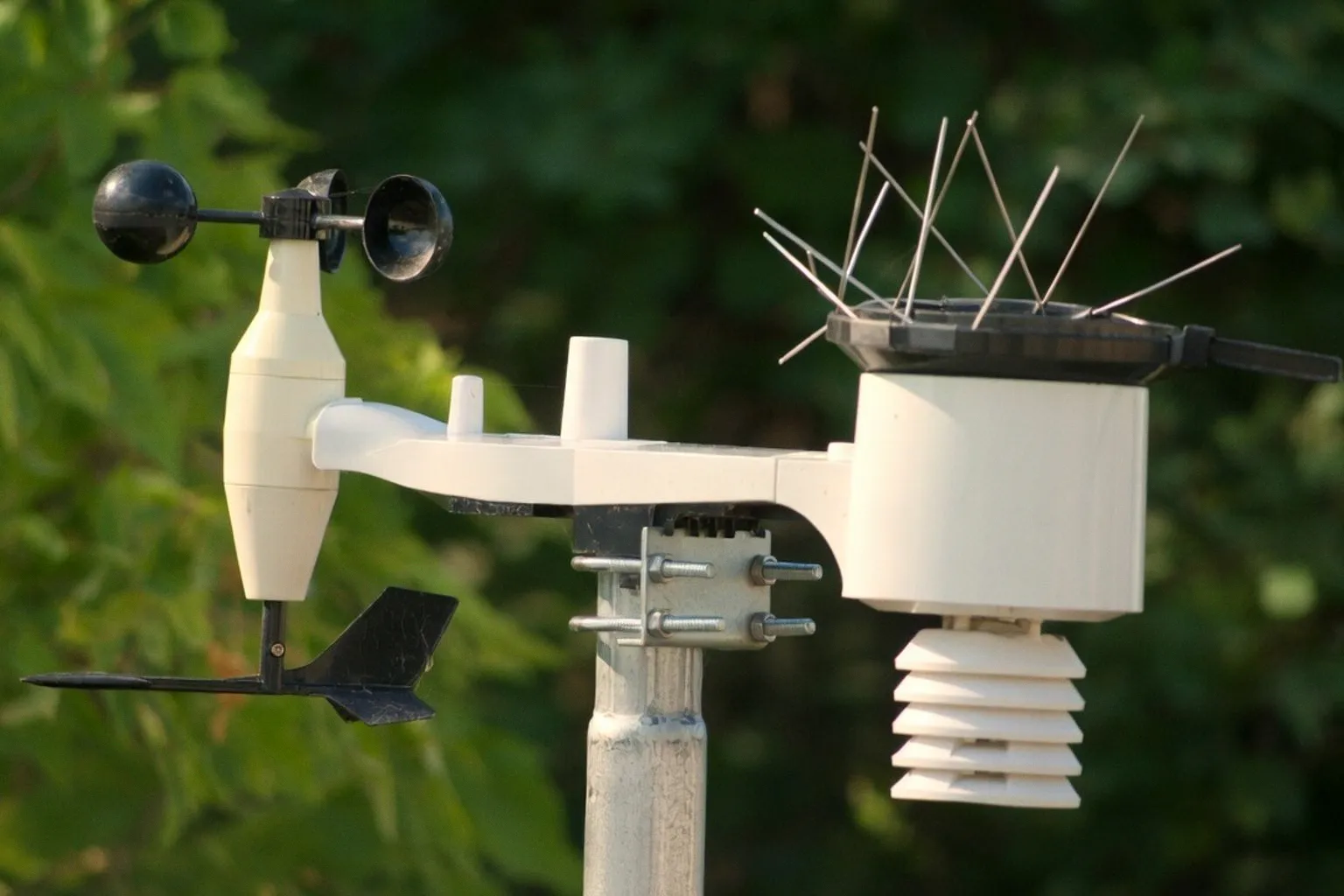
The Agency highlights a handful of Horizon Europe projects that have moved past slide decks into operating tools. HealthRiskADAPT, for instance, is mapping heat at neighborhood granularity and linking those maps directly to illness and mortality data, then packaging the output as planning and early-warning resources for cities. In Bulgaria, the MountResilience team has built a platform that pairs observational sensors with an AI prediction algorithm for floods and wildfires, and partners have already installed thermal-vision cameras that catch heat before smoke becomes visible.
Further north, the AURORA project is producing one-kilometer urban heat island maps for the Tampere area and feeding them into a heat-stroke risk model that weighs hazard, exposure and vulnerability together — a concrete example of high-resolution climate intelligence being translated into decisions a city planner can actually act on.
For founders working on urban resilience, the Impetus4Change and MULTICLIMACT projects are running pilots in Barcelona, Paris and Prague, testing how better data can inform both urban planning and house retrofitting policy. The NEVERMORE project is concentrating on two of the harsher European hotspots: drought and water scarcity in Murcia, and the combined heat-and-drought stress around Sitia. And the MIRACA project is keeping its eye on the connective tissue — transport networks in Spain, stress-tested against heatwaves, droughts and wildfires so critical infrastructure can stay operational under extreme conditions.
Why this matters for your roadmap
What ties these projects together, beyond the funding line, is a willingness to work at the seam between disciplines — health, urban planning, infrastructure, agriculture. The Agency frames this cross-sectoral approach as essential, and honestly, that's the framing ClimateTech founders should be stress-testing their own pitches against. Adaptation isn't a vertical; it's a network of dependencies, and the buyers — cities, regional authorities, infrastructure operators — want integrated solutions, not point fixes.
Outside Europe, the trend points in the same direction. According to a recent CBC report, extreme weather is becoming a growing issue for Manitoba's agriculture industry, and new technology being developed in the province could help producers adapt — a reminder that adaptation is no longer a niche conversation but a global procurement signal.
Your next step
Pick two of the projects above and read their public deliverables this week. Not the glossy summaries — the technical outputs, the datasets, the partner lists. That's where you'll find the vocabulary your future customer is already speaking, and the gaps where your venture can slot in. Alignment with the EU Mission on Adaptation isn't a side note for the European market — it's the through-line.