How the DOE’s New AI Foundation Models Are Reshaping ClimateTech Ventures
Department of Energy just gave you a pretty clear signal.
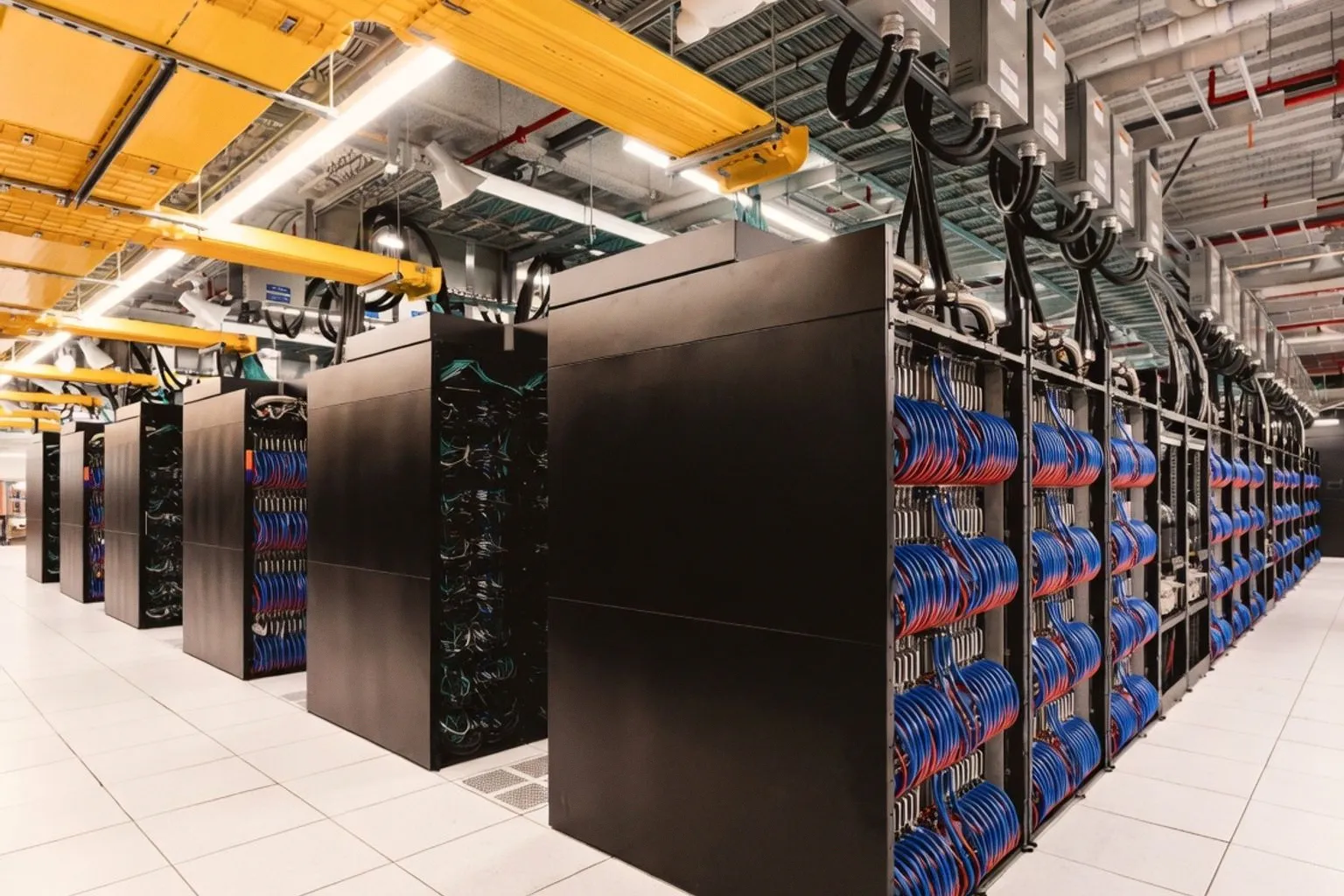
The DOE Just Opened a Bigger Door for ClimateTech Builders
If you've been wondering where the next wave of capital and infrastructure for AI-driven climate work is going to come from, the U.S. Department of Energy just gave you a pretty clear signal. According to a recent update from energy.gov, DOE is doubling down on building out what it calls an "AI innovation ecosystem," with foundation models trained on the kind of vast scientific data that lives inside the national labs.
Why This Matters for Your Climate Venture
Here's the part that should make founders sit up straight: DOE isn't just talking about generic AI. They're developing foundation models built specifically for their science, energy, and security mission. The energy.gov release highlights real examples, like NREL using an AI foundation model to help answer technical questions about Puerto Rico's path to 100% renewable energy. That's not a hypothetical. That's already happening.
For us as early-stage builders, this shifts the landscape in a few practical ways:
- Access to infrastructure. The national labs are openly building tools and models that can be adapted for climate applications. If your startup works on grid reliability, climate forecasting, critical minerals, or materials research, you're in the bullseye of where DOE is investing.
- Permission to think bigger. Foundation models can spot patterns in datasets that would take human teams years to untangle. That means your roadmap can include problems that used to feel out of reach for a small team.
- Partnership pathways. DOE is explicitly inviting partnerships with labs and external collaborators. If you've been hesitant to reach out, consider this your nudge.
A Funding Thread Worth Following
While DOE's announcement grabbed headlines, another door quietly opened for climate-focused founders. The Global EbA Fund has officially launched its call for proposals for small-size grants, supporting ecosystem-based adaptation projects. Grants go up to USD 250,000 each, with a strong emphasis on innovation and scalability. The primary geographic focus is on ODA-eligible SIDS and LDCs, though applications from other eligible countries are considered when ambition and scale are exceptional.
If your venture touches adaptation, resilience, or nature-based solutions, this is worth a careful read. The application window opens through an Online Portal link shared on 28 September 2026, and the fund's evaluation criteria put real weight on innovation and readiness to scale.
Your Next Step This Week
Pick one. That's it. Just one.
Option A: Bookmark the DOE AI ecosystem page and scan for tools or foundation models relevant to your current technical bottleneck. Even ten minutes of browsing can surface a partnership angle you'd missed.
Option B: Read the Global EbA Fund's Grants Procedure Manual before the 28 September portal link goes live. Decide if a USD 250,000 catalytic grant fits your roadmap. If yes, start drafting your three Core Indicator Framework metrics now, not the night before submission.
Both doors are open right now. The founders who move through them will be the ones we're profiling six months from now.