New Climate Adaptation Funding and Support for Women-Led Agribusinesses in Africa
You've built something real — a climate-smart solution rooted in agriculture, born from the pressures of shifting weather patterns and unpredictable seasons.
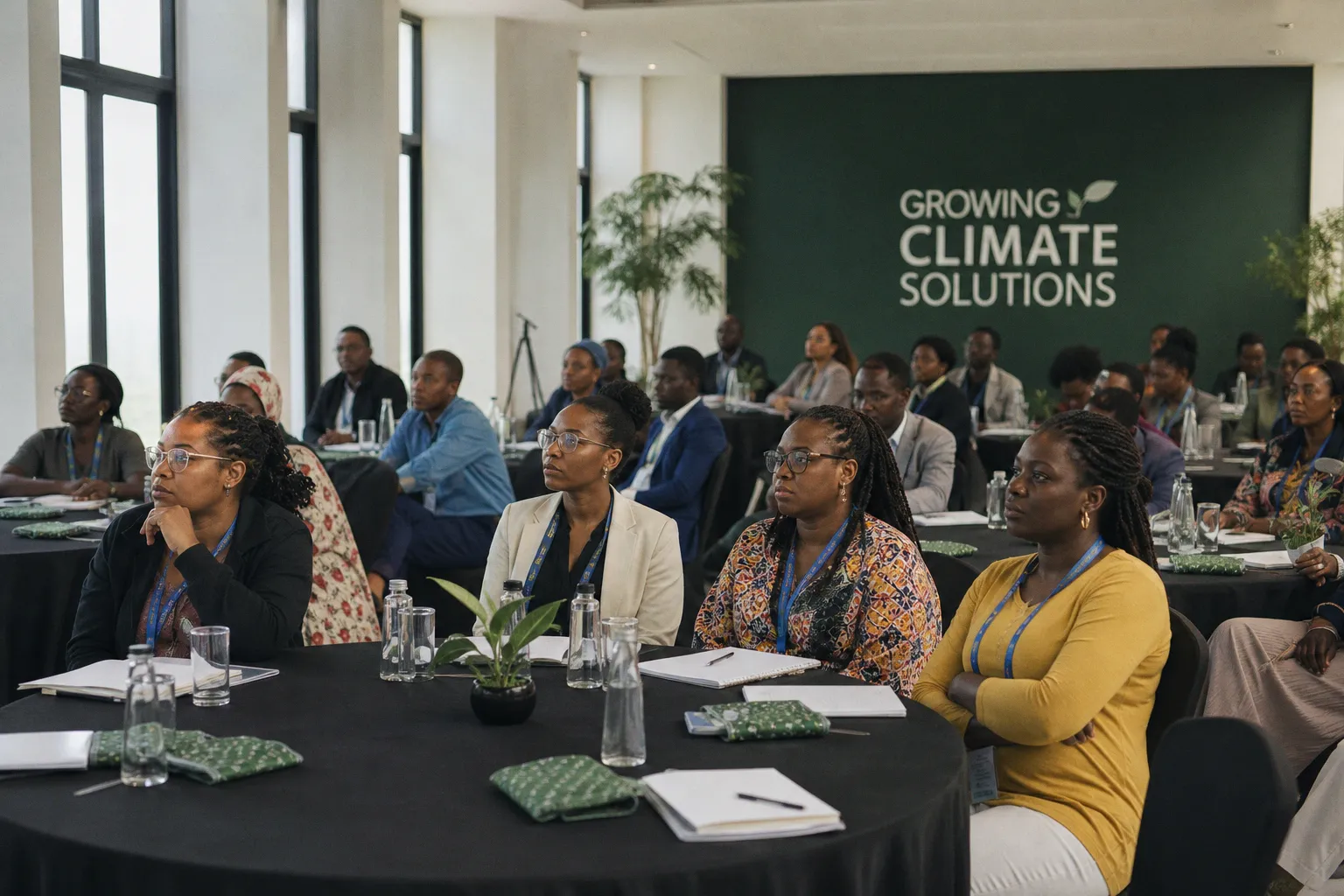
Now comes the part many founders quietly dread: how do you fund the next chapter when the problem you're solving is urgent but the capital feels impossibly distant? For women entrepreneurs in Sub-Saharan Africa's agrifood sector, that question just got a little more navigable. AGRA and CGIAR have jointly opened an Expression of Interest for their Climate Adaptation & Financing Programme, specifically targeting women-led agribusinesses that are actively building resilience against climate change impacts. The initiative, run through AGRA's VALUE4HER initiative and CGIAR's Adaptation Insights project, pairs small grant funding with technical assistance and capacity-building support — a combination that addresses both the cash gap and the knowledge gap at once.
What the Programme Actually Offers
Let's break down the support structure, because it's more layered than a simple grant cycle. Selected businesses may receive a small grant to resource their climate adaptation work — no exact figure has been disclosed yet, so factor that into your planning assumptions. Beyond the financial piece, the programme offers technical assistance and capacity-building, meaning you'd gain structured guidance on strengthening your operations against climate-driven disruptions. There's also a visibility component: businesses may receive support to document and communicate their adaptation practices, essentially helping you turn your lived operational knowledge into a story that resonates with investors, partners, and policymakers. If you've been solving problems in relative silence, this programme is explicitly designed to amplify that work.
Who Qualifies — and What "Women-Led" Means Here
The eligibility lens is straightforward but worth understanding precisely. The programme is open to agribusinesses operating across sub-Saharan Africa that are led or majority-owned by a woman or women. Your business must be able to demonstrate a tangible connection to climate adaptation — not just agricultural production, but specifically how your work helps communities and value chains respond to changing climate conditions. That could mean drought-resilient crop varieties, water management innovations, climate-informed supply chain models, or practices that strengthen food system stability under volatile conditions. The screening begins with that ownership question, so if you qualify on that front, the application becomes a matter of articulating your adaptation impact clearly.
Why This Matters Beyond the Grant
For early-stage climate founders, the real value here may extend well beyond the funding itself. A programme co-led by AGRA and CGIAR carries institutional weight — these organizations sit at the intersection of agricultural development research and on-the-ground implementation across the continent. Being selected means your business enters a network where knowledge flows in both directions: you contribute practitioner insight, and you receive structured support to scale that insight into something replicable. For founders navigating the gap between a working prototype and a fundable business model, that kind of institutional backing can shift your positioning in conversations with downstream investors.
If you're a woman building climate adaptation solutions in Africa's food system, this is worth exploring while the Expression of Interest window is open. Start by mapping exactly how your current operations respond to climate disruption — the clearer that connection, the stronger your application. The programme is looking for founders already doing the work, not those who plan to start.