Techstars Tokyo Unveils 12 Climate-Focused Startups for 2026 Cohort
Techstars Tokyo Accelerator, backed by JETRO and Mitsui Fudosan, opened its 13-week program on August 17 with 12 startups selected from applicants spanning 100+ countries.
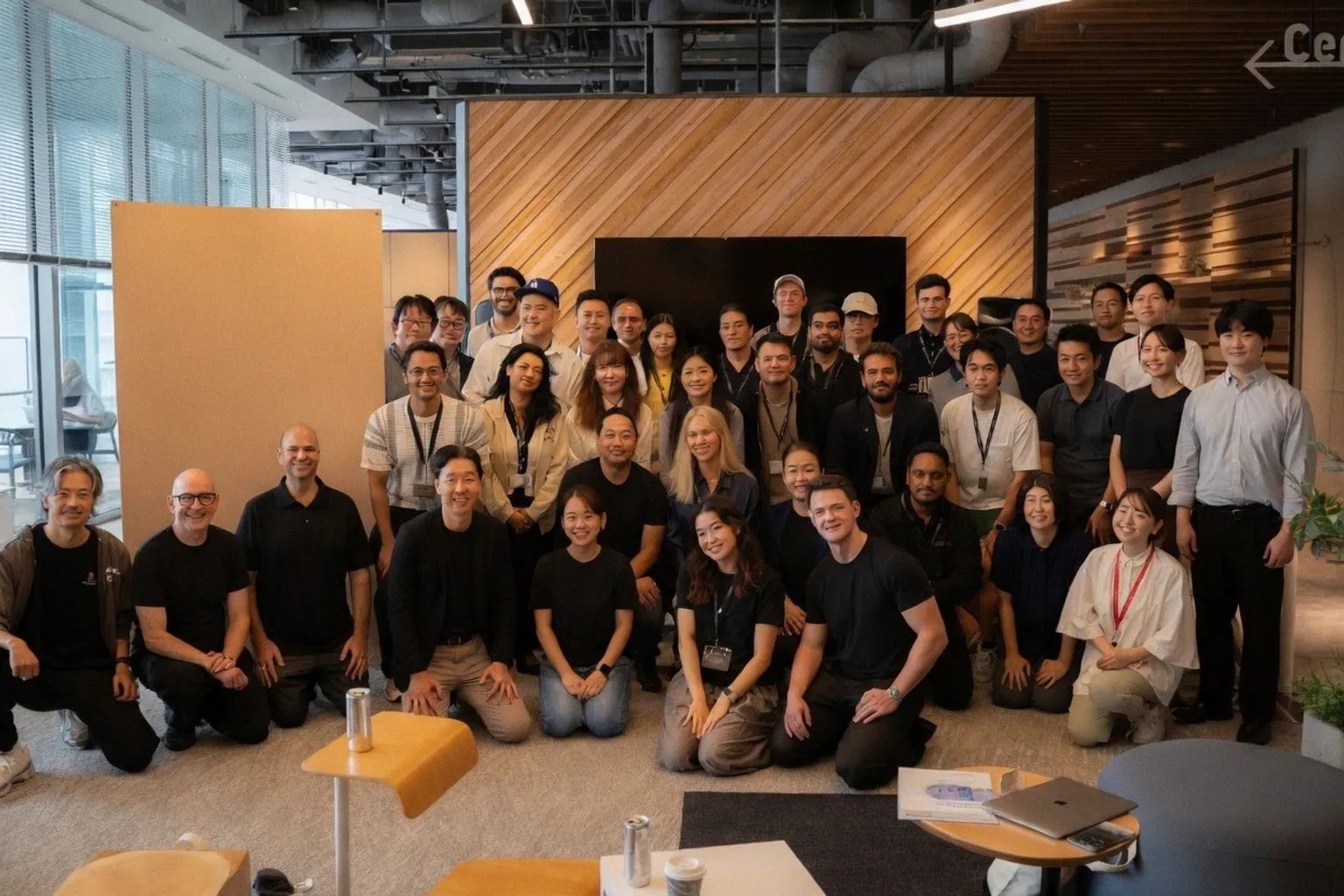
The Class of 2026 carries a roughly 1% acceptance rate and lifts the program's cumulative portfolio to 36 companies. For climate founders, the cohort's circular economy and bio-based sustainability entries are the signal worth reading.
What landed in the cohort
Twelve teams. Five sector tags from the program itself: AI productivity, deep tech, foodtech, revenue ops, circular economy. The climate-relevant slots include a bio-based battery recycling platform extracting critical materials from citrus and agricultural waste, and foodtech entrants translating culinary processes into reproducible digital data for automated commercial cooking. Program mechanics: 13 weeks, hands-on mentorship from Techstars' global operator network, plus direct corporate integration through JETRO and Mitsui Fudosan. Demo Day lands November 10, 2026. Strategic capital partner: Global Brain. Past-cohort baseline — most alumni secured follow-on capital shortly after Demo Day; three have cleared $1M (¥160M) from global investors.
The capital stack behind it
The accelerator sits inside a wider funding layer that moved the same week. The All Aboard Coalition closed its inaugural All Aboard Fund at $133 million on August 18, built specifically to bridge the "missing middle" between early venture rounds and infrastructure-scale capital for climate technologies. The coalition now counts 20 VC and growth-equity members representing over $60 billion in assets. Trigger condition for All Aboard capital: three or more qualifying coalition members independently commit meaningful capital to the same financing round. Deployments to date: Antora (energy storage), Zanskar (geothermal), TerraCO2 (low-carbon cement).
What to track
The bottleneck for climate hardware founders is rarely the accelerator itself. It's the gap between Demo Day and first-commercial deployment. Two checkpoints worth flagging:
1. Does All Aboard's syndicate model actually compress the scale-up gap for capital-intensive climate hardware, or does it replicate the friction it claims to remove?
2. Does the Tokyo circular economy cohort deliver measurable unit economics on waste-derived inputs, or stall at pilot scale?
For founders weighing the Japan corridor: corporate co-creation through JETRO and Mitsui Fudosan is the real unlock, not the accelerator capital itself. Demo Day remains invitation-only — plan the approach now.