Securing SBIR/STTR Funding for Your Solar Innovation
Department of Energy, the Small Business Innovation Research (SBIR) and Small Business Technology Transfer (STTR) programs are explicitly designed to help entrepreneurs like you navigate that gap…
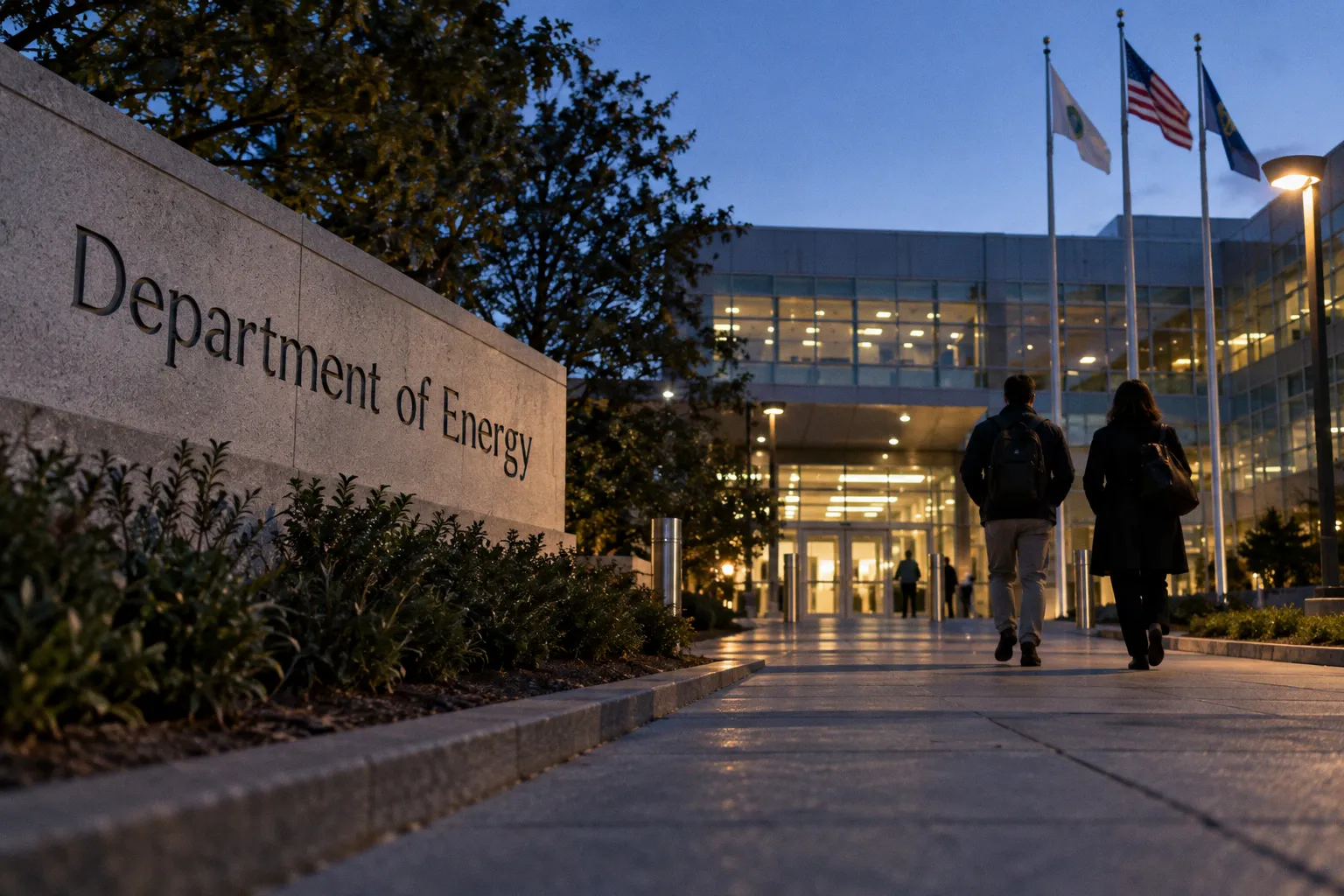
Have you ever felt that crucial funding opportunity slipping away because the application process feels like a black box? You’re not alone. According to the U.S. Department of Energy, the Small Business Innovation Research (SBIR) and Small Business Technology Transfer (STTR) programs are explicitly designed to help entrepreneurs like you navigate that gap between a high-risk idea and a market-ready prototype, and there’s a fresh wave of solar-focused topics to consider.
The Engine Behind the Opportunity
Think of the SBIR/STTR programs as a structured bridge. They are competitive funding opportunities managed by the DOE’s Office of Science, specifically aimed at U.S.-based small businesses engaged in high-risk research. For us in ClimateTech, the critical part is that the Solar Energy Technologies Office (SETO) directs funding to projects advancing the affordability, reliability, and grid performance of solar. This isn’t just about a grant; it’s about a phased approach to de-risk your innovation. Phase I typically funds a feasibility study, while Phase II supports prototype development, acknowledging that moving hardware or software from concept to market is incredibly challenging.
What This Means for Your Solar Startup
The structure is designed to foster real-world impact. A key aspect is the emphasis on commercialization from the very first application. You’re expected to address how your technology will become a profitable business, not just a scientific curiosity. For those of you working on integrated systems—like combining solar, storage, and EVs—this is a direct pathway. Look at the example of AmpX Technologies, which received funding for a multi-port power conversion unit that acts as a “one box” for residential systems. This illustrates the program’s interest in solving practical, system-level integration problems. Furthermore, keep an eye out for Technology Transfer Opportunities (TTOs). These are unique subtopics where you can license a specific patented development from a DOE national lab or university to commercialize, giving you a significant head start.
Your Practical Next Step
So, where do you begin? Start by aligning your project’s narrative with the core challenge the DOE highlights: maturing an idea from concept to prototype under high-risk conditions. Don’t just describe your technology’s brilliance; map out its path to profitability. Check the list of awarded projects under SETO to understand the current focus areas. And if you’re developing something that builds upon existing DOE-patented research, TTOs could be a streamlined route worth exploring. The door is open for small businesses to drive the next generation of solar innovation—you just need to walk through it with a clear, commercial-ready plan.