The Engine Launches Decelerator to Preserve Intellectual Property from Failed Climate Startups
The climate innovation ecosystem loses institutional knowledge every time a venture shuts down. The Engine, the MIT-founded nonprofit incubator, now has a mechanism to capture it.
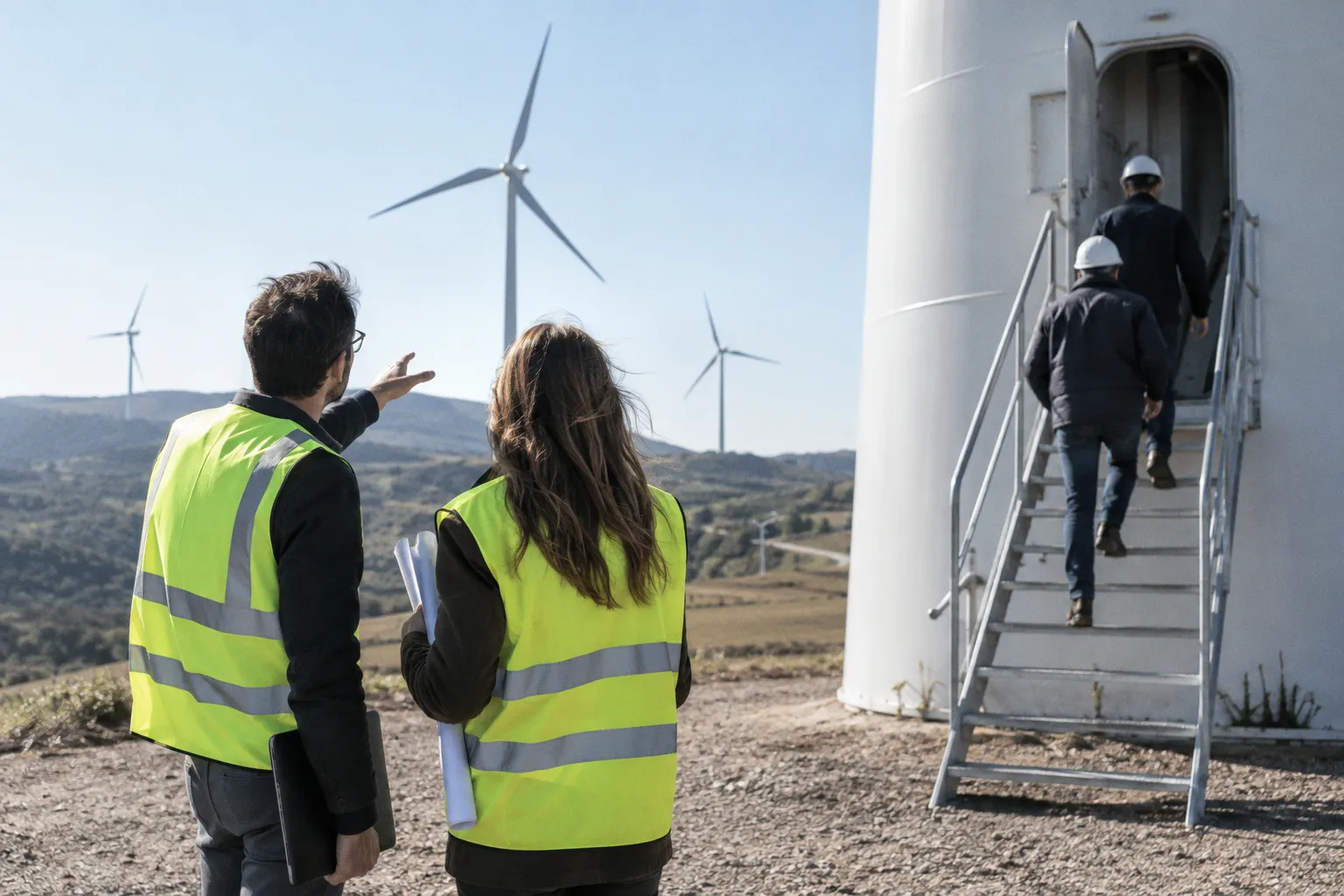
Backed by the Schmidt Family Foundation, the Cambridge-based organization launched a pilot initiative called the Decelerator — a structured process for preserving research, data, and intellectual property from climate startups winding down operations. For founders in the middle of build-or-kill decisions, this changes the calculus on what "failure" actually produces.
The Decelerator: Converting Dead Ventures into Ecosystem Throughput
The mechanism is straightforward. Founders at the end of a venture's runway work with The Engine to contextualize and distill their accumulated knowledge into an open repository. The target audience: future founders and researchers building in climate tech. The operating principle is that prior capital deployed into a failed company does not have to produce zero return to the ecosystem — institutional memory has measurable value if captured at the right bottleneck.
Kyle McEneaney, director of the Climate Tech program at the Schmidt Family Foundation, framed the problem as one of efficiency: the innovation ecosystem is strong, but a significant volume of generated value gets stranded when ventures wind down. The Decelerator treats accelerators as natural distribution points for this at-risk knowledge. If the pilot succeeds, the expectation is that other organizations adopt the model.
The Engine, which became an independent 501(c)(3) nonprofit a year ago, now operates as a connected platform for Tough Tech entrepreneurship — long R&D timelines, capital-intensive paths, and ventures that require education, incubation, and acceleration purpose-built for their unit economics. The Decelerator adds a new parameter: what happens after a venture exits the pipeline.
Parallel Capital Signals Across the Sector
The Decelerator announcement arrives alongside measurable capital formation in adjacent segments. Two data points matter for ClimateTech founders tracking funding conditions:
1. Clean Growth Fund closed the second tranche of its Fund II at €94.5 million — more than halfway to its €174 million target. Border to Coast anchored the round with a €26.1 million commitment. The fund targets Seed to Series A UK companies with a stated 20% IRR target. Backers include Strathclyde Pension Fund, Islington Pension Fund, and East Riding Pension Fund, representing combined assets of approximately €139 billion.
2. BioInnovation Institute committed an additional €1.3 million each in convertible loans to six life science and climate tech startups, raising total investment per venture to €1.8 million. The cohort includes companies in biological pest management and waste-derived biofuels.
Taken together, these closes represent a pattern: institutional capital — pension funds, philanthropic foundations, and EU-based venture platforms — continues to deploy into climate innovation infrastructure, not just individual deals. The leverage point is shifting from "fund the science" to "fund the systems around the science."
What This Means for Founders in the Pipeline
For ClimateTech founders, two operational takeaways:
If your venture is winding down, the Decelerator now exists as a concrete pathway to ensure your work produces residual value — for the ecosystem and potentially for your own reputation and future fundraising. This is not sentiment. It is a structural mechanism for converting sunk cost into open resource.
If you are raising, the capital environment for Seed-to-Series A climate deals is expanding. Clean Growth Fund's second close signals continued institutional appetite. The BioInnovation Institute's convertible loan structure offers a data point on non-dilutive-to-early-stage funding for climate and life science crossovers.
Checklist for the quarter ahead:
- Track The Engine's Decelerator pilot outcomes at engine.xyz — if the model scales, it becomes a standard component of accelerator infrastructure.
- For UK-based founders: monitor Clean Growth Fund's deployment cadence — the fund has now passed its halfway mark.
- Evaluate whether your venture's failure-mode plan includes structured knowledge transfer. If it does not, it should.